The Roulette Rules That Create the Casino’s Unique Atmosphere

The Roulette Rules That Create the Casino’s Unique Atmosphere
Roulette is one of the most iconic games in the world of casinos. The spinning wheel, the small white ball, and the rising tension as it bounces from pocket to pocket create a sense of excitement that few other games can match. But behind the glamour and elegance lies a set of rules and traditions that shape the entire experience. Let’s take a closer look at how the rules of roulette not only govern the game but also help create the casino’s distinctive atmosphere.
A Game Rooted in History
Roulette traces its origins back to 18th-century France, where it quickly became a favorite pastime among the aristocracy. The name means “little wheel,” and the basic principle has remained almost unchanged ever since: players bet on where the ball will land when the wheel stops spinning.
Although technology has evolved and roulette now exists both in physical casinos and online, the classic rules still define the game. It’s this blend of tradition and chance that gives roulette its timeless appeal.
Læs også:
The Wheel and the Table – The Heart of the Game
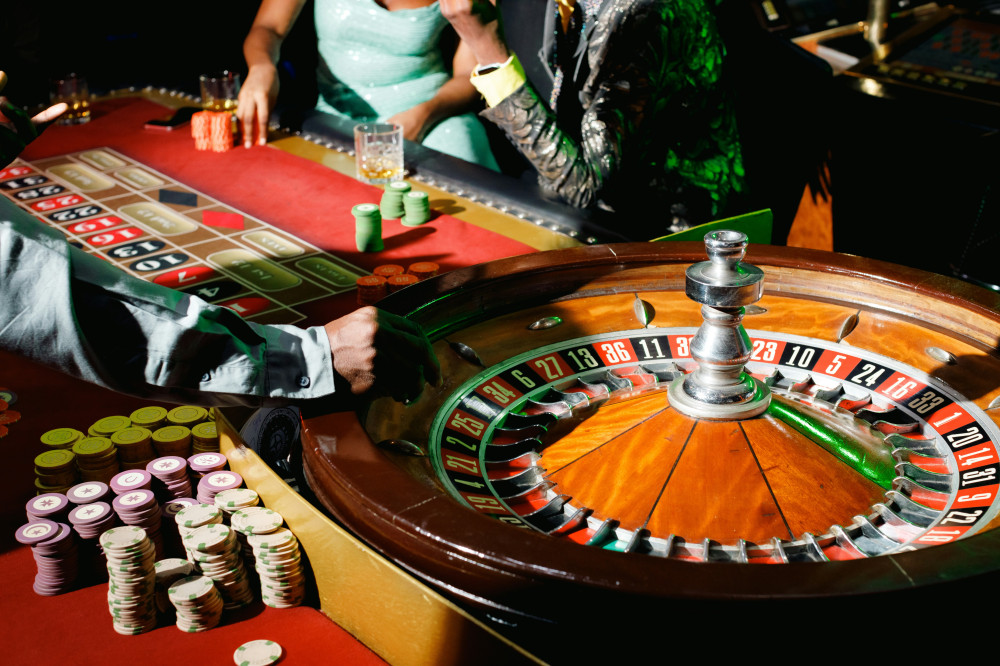
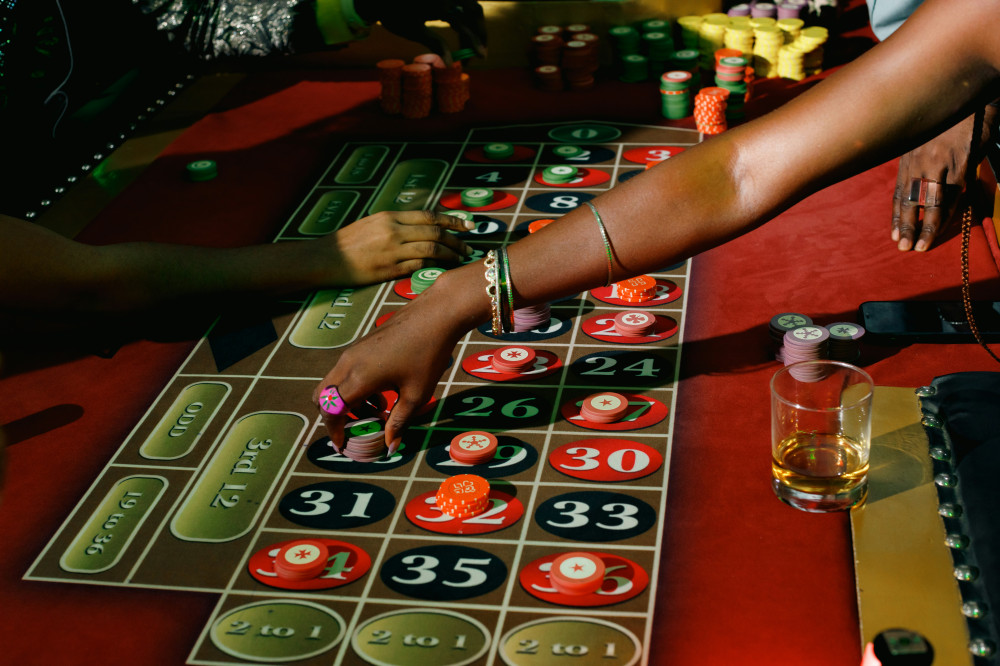
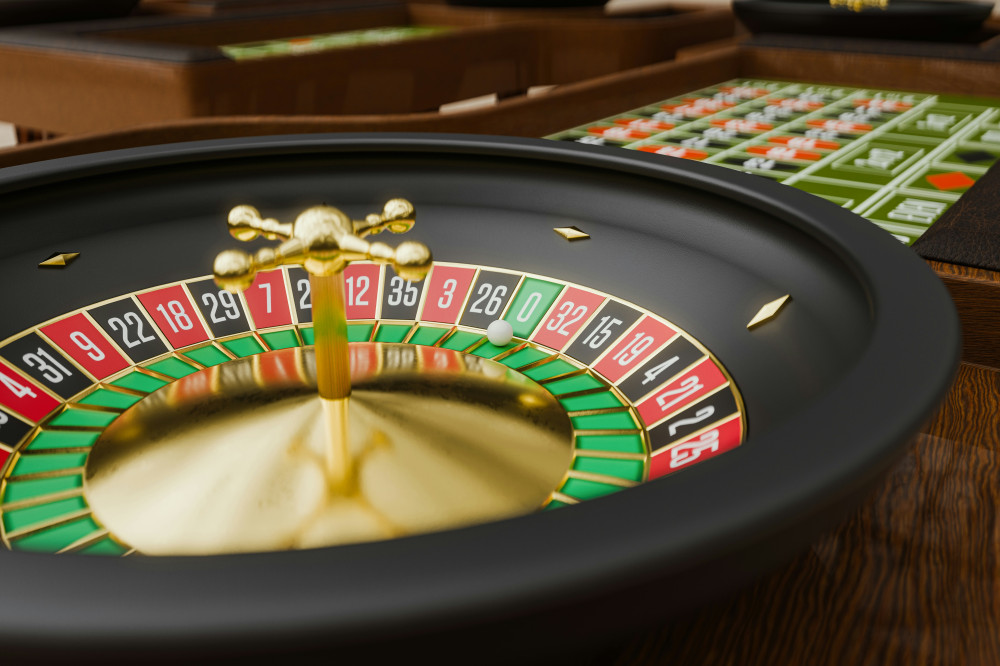
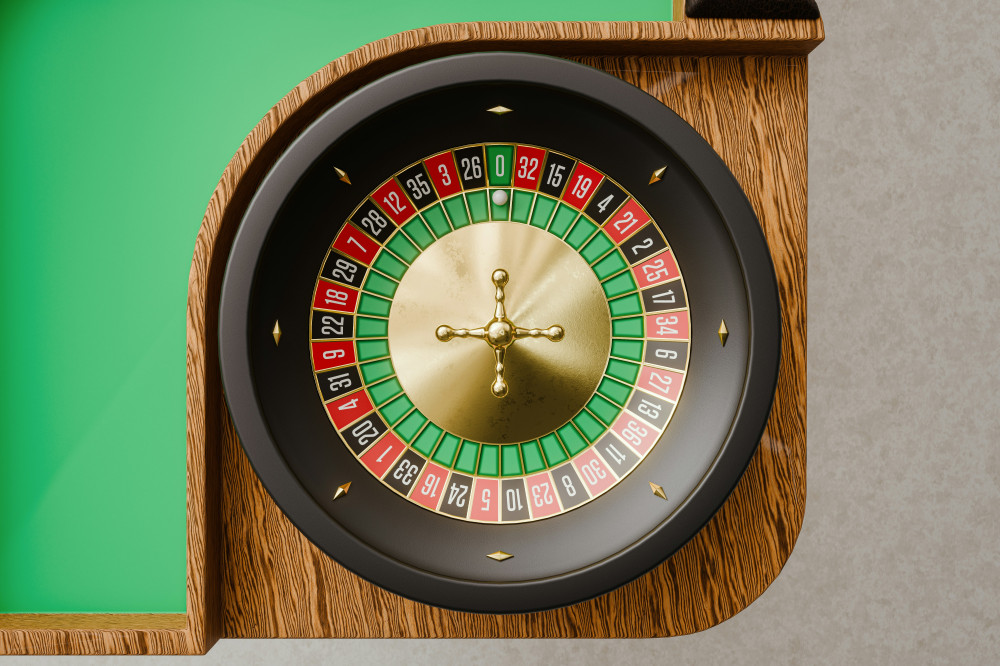
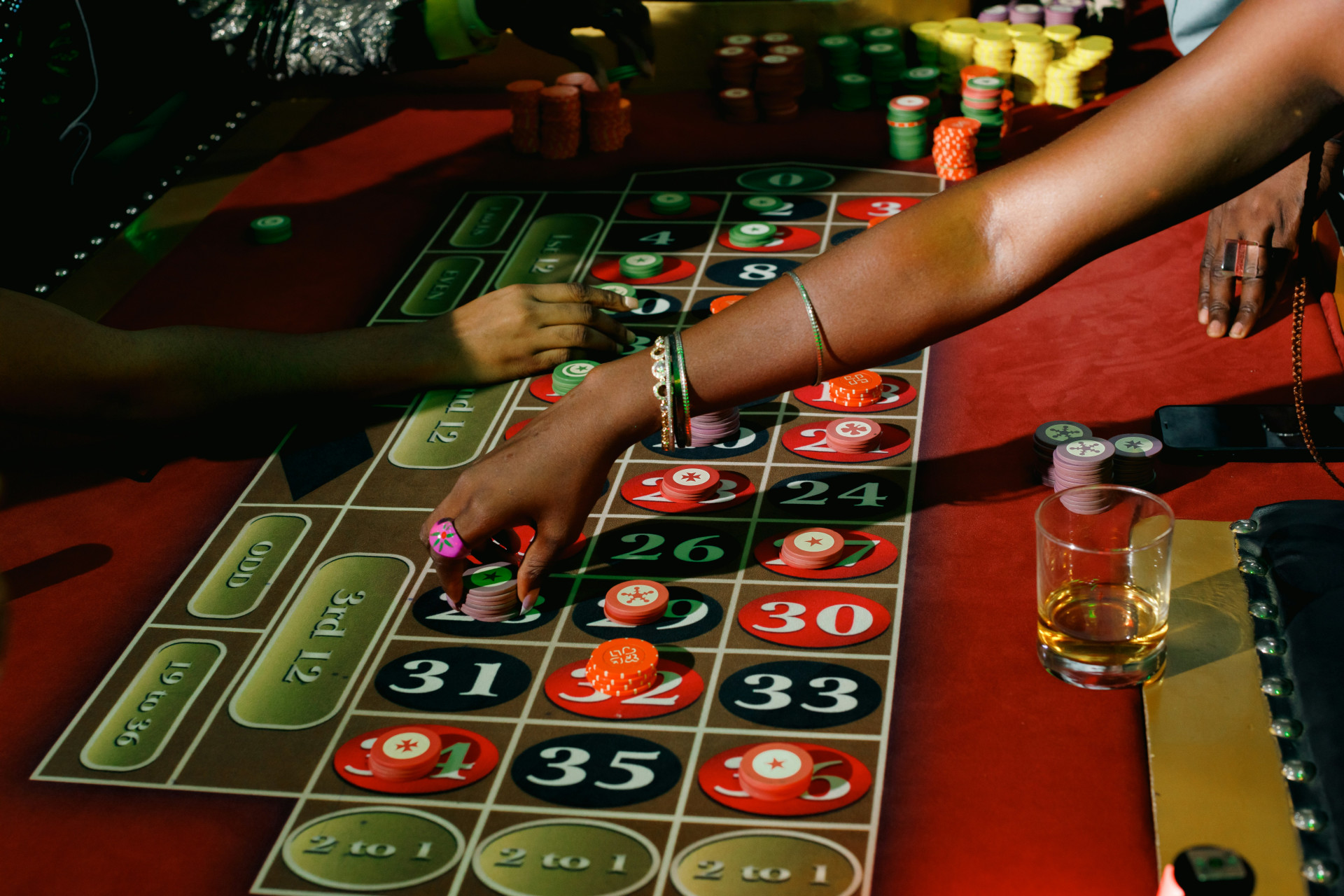
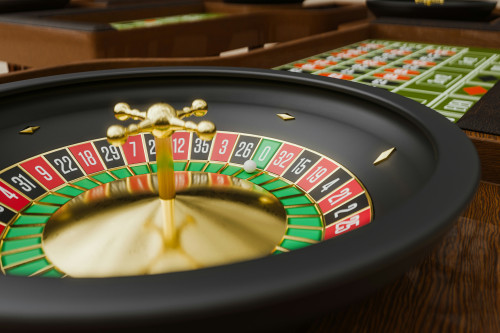
A roulette table consists of two main parts: the wheel and the betting layout. The wheel has 37 pockets in European roulette (numbers 0–36) and 38 in the American version (with both 0 and 00). The numbers alternate between red and black, while the zeros are green.
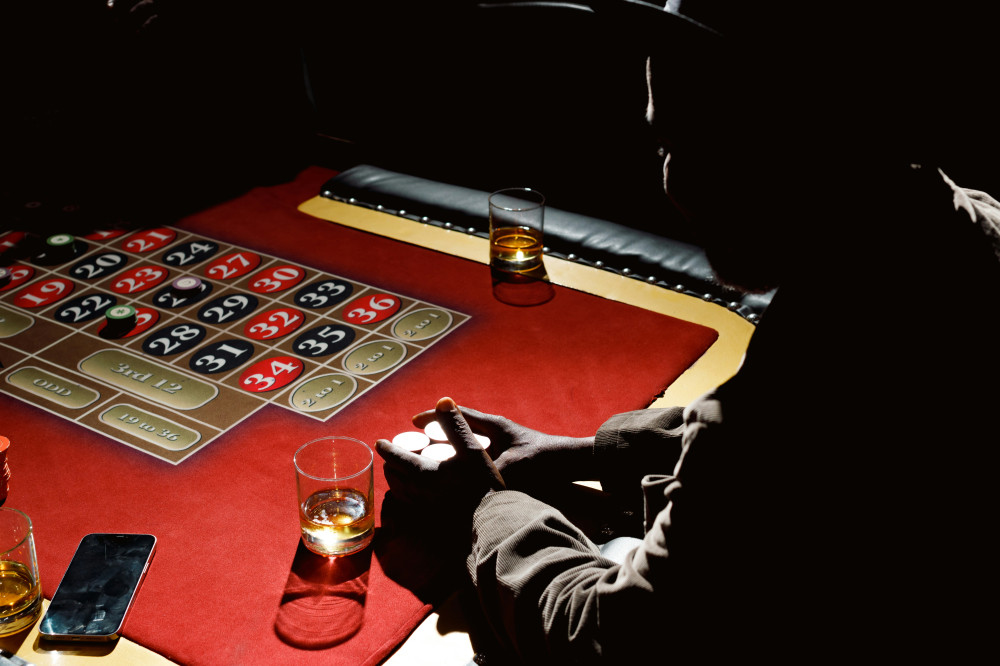
Players place their bets on the layout, choosing from single numbers, colors, rows, or groups of numbers. This variety allows both cautious and adventurous players to find their own rhythm and strategy.
When the dealer spins the wheel and releases the ball, a moment of intense silence falls over the table. All eyes follow the ball’s movement, and when it finally lands, the room erupts in cheers or sighs. This rhythm of anticipation and release is what makes roulette such a social and sensory experience.
The Rules That Set the Rhythm
Roulette is a game where the rules do more than define the odds—they create a particular mood at the table. The dealer controls the pace with precise commands: “No more bets” marks the transition from expectation to outcome. This structure gives the game a ceremonial quality.
There are also unwritten rules that players respect. You don’t touch your chips while the ball is spinning, and you show courtesy to both the dealer and fellow players. These small gestures of etiquette transform the game from a simple wager into a shared ritual.
European, French, and American Roulette – Small Differences, Big Impact
While the core rules are the same, there are variations that influence both the odds and the atmosphere.
- European roulette is the most common version outside the U.S. and features a single zero, giving players slightly better odds than the American version.
- French roulette is similar to the European game but includes special rules like La Partage and En Prison, which allow players to recover part of their bet if the ball lands on zero. This makes the game more strategic and measured in pace.
- American roulette adds a double zero (00), increasing the house edge. However, the energy around American roulette tables is often livelier, with faster spins and a more dynamic crowd.
These subtle differences mean that each roulette table has its own personality—from the refined calm of French roulette to the high-energy buzz of the American version.
The Atmosphere Around the Table
The roulette table is often the focal point of a casino floor. It’s where people gather—players and spectators alike—to share in the excitement. The clinking of chips, the rhythmic spin of the wheel, and the dealer’s steady voice combine to create a soundscape that feels almost hypnotic.
Even online casinos strive to recreate this atmosphere with live dealers, realistic sound effects, and camera angles that mimic the in-person experience. It’s a testament to how essential the ambiance is to the identity of the game.
A Game of Chance – and Control
At its core, roulette is a game of luck. No strategy can predict where the ball will land. Yet the game continues to attract mathematicians, strategists, and dreamers who search for patterns in randomness. This balance between control and chaos is part of its enduring fascination.
For many, roulette isn’t just about winning money—it’s about being part of a ritual, a moment where anything can happen, and where the thrill is shared by everyone around the table.
Roulette as the Soul of the Casino
Roulette is more than a game—it’s a symbol of the casino itself. It represents elegance, risk, and the unique blend of chance and anticipation that defines the casino experience. Whether you play for fun or for fortune, it’s the rules, the rhythm, and the rituals that make roulette truly special.
Læs også: