Strategy or Chance? How to Play Roulette Wisely

Strategy or Chance? How to Play Roulette Wisely
For generations, roulette has captured the imagination of casino players around the world. The spinning wheel, the bouncing ball, and the suspense of where it will land create a unique mix of luck and anticipation. But can you actually play roulette wisely—and are there strategies that make a real difference? Here’s how to understand the game, manage your risk, and keep the fun in focus without letting luck take over.
A Game Built on Chance
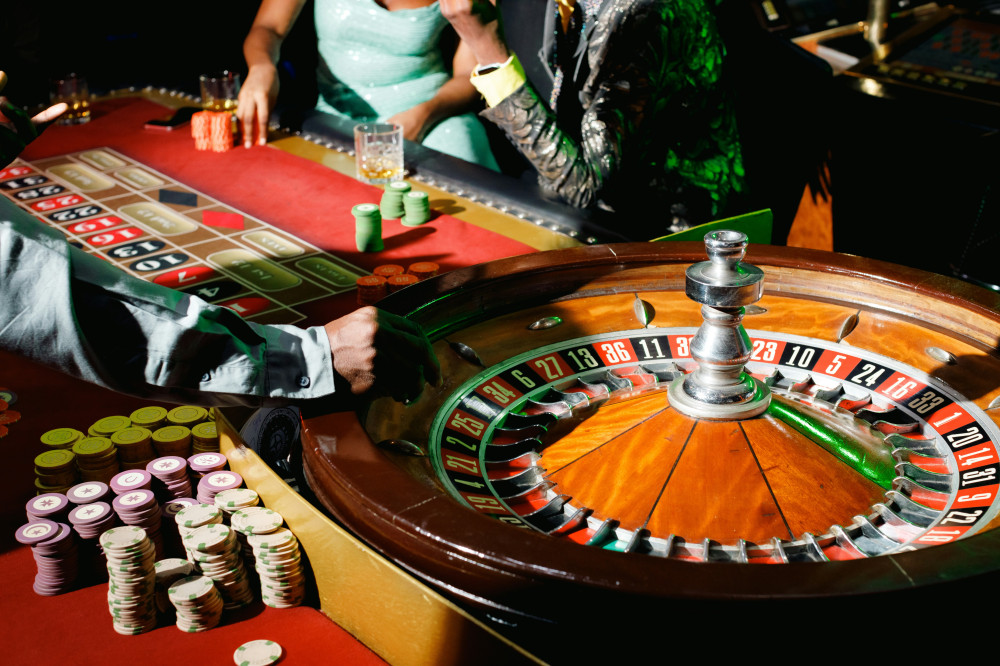
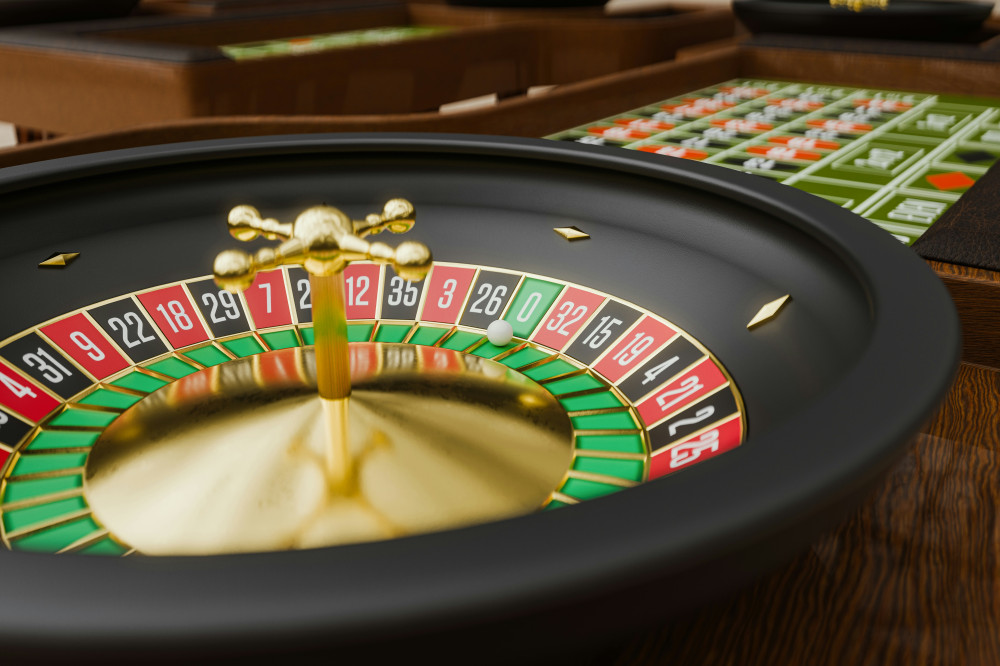
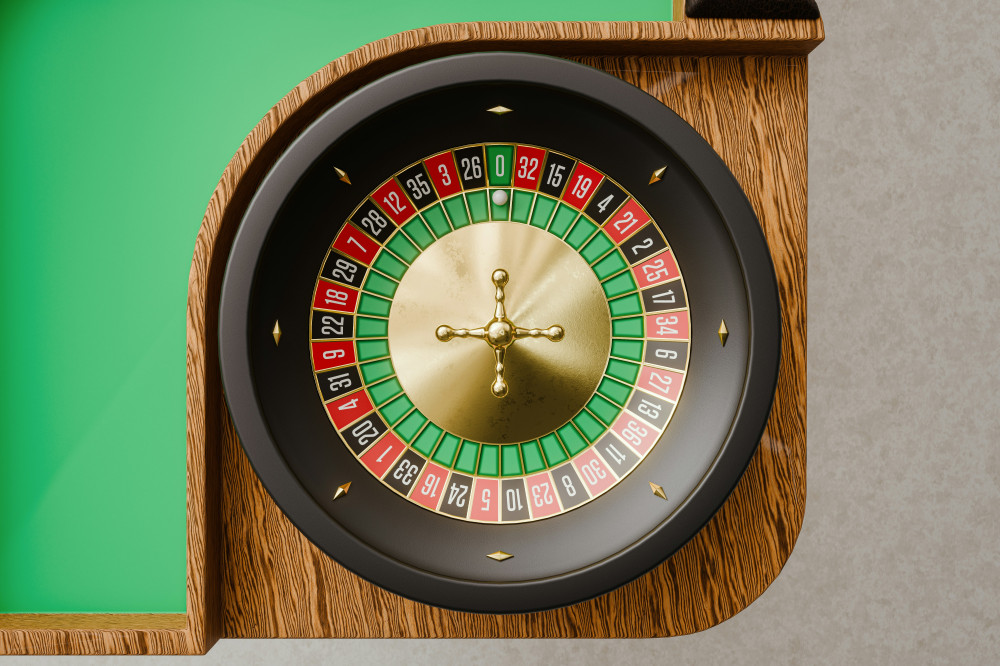
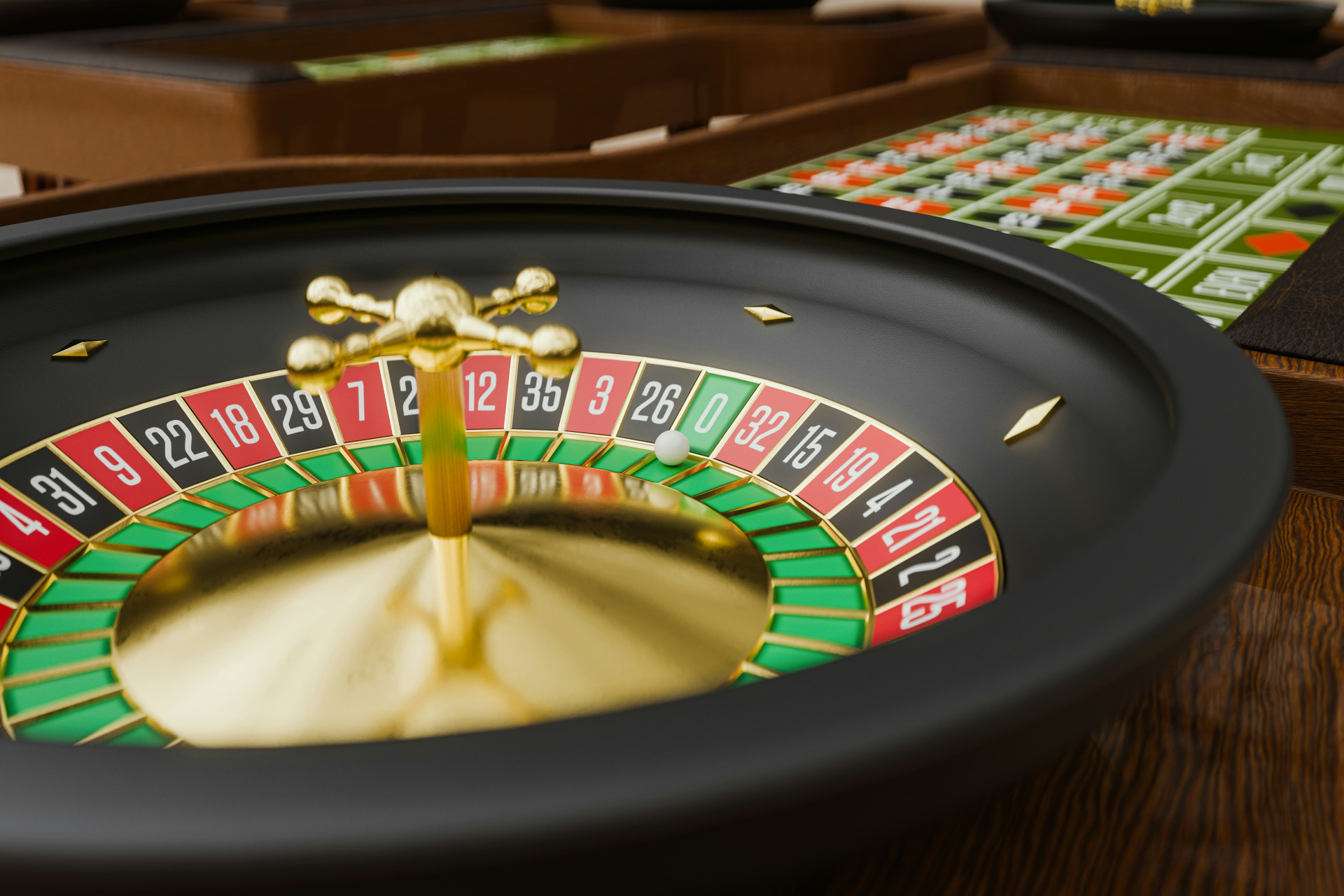
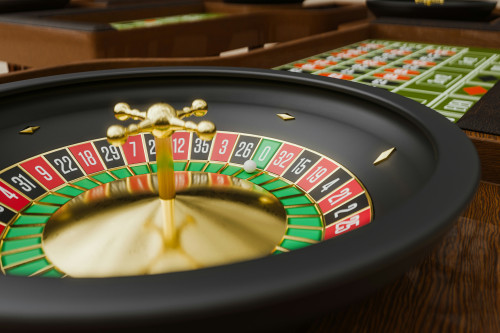
At its core, roulette is a game of probability. The American version of the wheel has 38 pockets (numbers 1–36, plus 0 and 00), while the European version has 37 (just one 0). Once the ball is in motion, the outcome is essentially random—and that’s what makes the game so thrilling.
The house edge comes from those green zero pockets. In American roulette, the double zero increases the casino’s advantage to about 5.26%, compared to roughly 2.7% in the European version. No matter what system you use, that edge ensures the house wins in the long run. That’s why roulette should be seen as entertainment, not a reliable way to make money.
Know Your Bets
Roulette offers a wide range of betting options, and understanding them can help you play more thoughtfully.
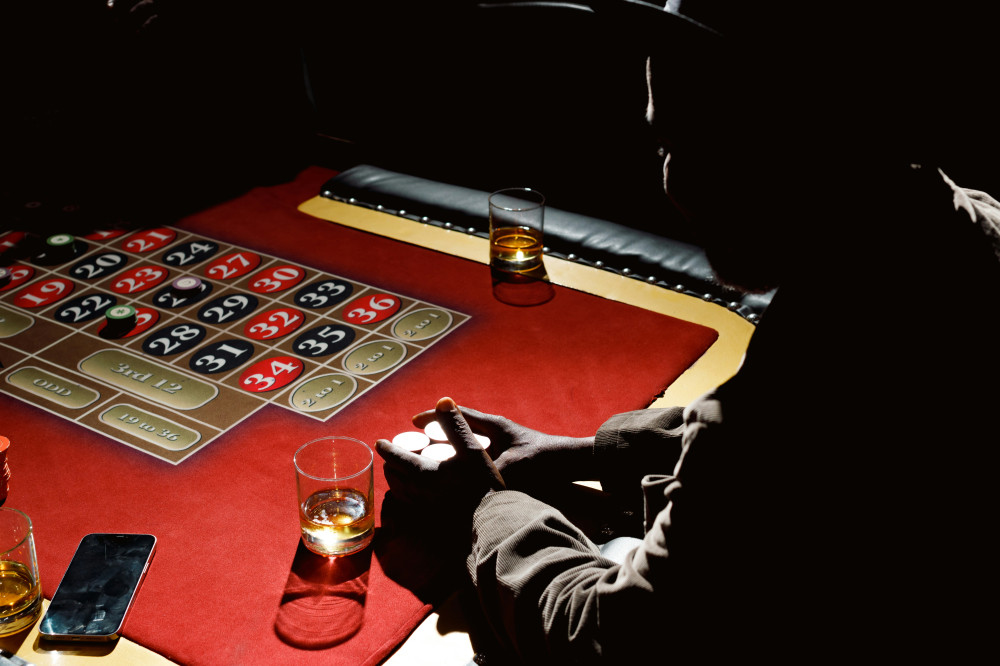
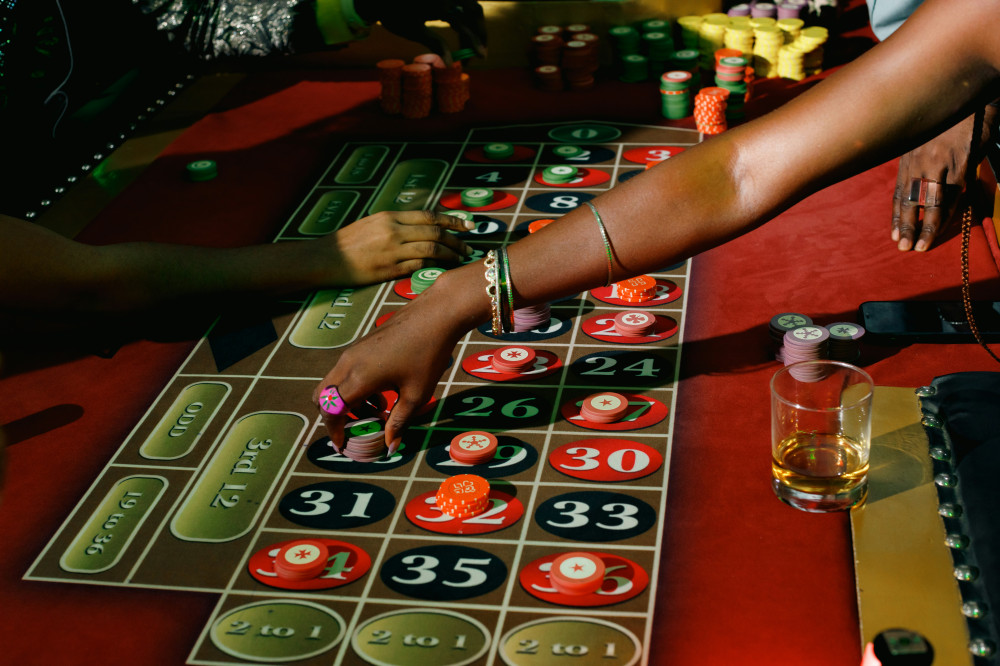
- Inside bets (on individual numbers or small groups of numbers) offer high payouts but low odds of winning.
- Outside bets (red/black, odd/even, high/low) have lower payouts but much better chances.
- Some casinos offer European or French-style tables, which can slightly improve your odds thanks to rules like La Partage or En Prison, where you lose only half your even-money bet if the ball lands on zero.
Knowing the difference between these bet types helps you match your play style to your comfort with risk.
Strategies: Myths and Realities
There’s no shortage of so-called “winning systems” for roulette. The most famous is the Martingale system, where you double your bet after every loss so that one win recovers all previous losses. In theory, it sounds foolproof—but in practice, it requires unlimited funds and no table limits, which don’t exist in real casinos.
Other systems, like Fibonacci or Labouchere, use more gradual betting progressions. They can make your play feel more structured, but they don’t change the fundamental randomness of the game.
The best approach is to use strategies as a way to organize your play, not as a promise of profit.
Læs også:
Play Responsibly and Set Limits
Roulette can be fast-paced and emotional, especially when the wheel seems to be on your side—or against you. That’s why it’s essential to set both time and money limits before you start. Once you reach them, stop—whether you’re ahead or behind.
Think of your wager as the price of admission for entertainment, not an investment. That mindset helps you stay in control and enjoy the experience without chasing losses.
If gambling ever starts to feel overwhelming, resources like the National Council on Problem Gambling (NCPG) offer confidential help and support.
Choose a Safe Place to Play
If you play online, make sure you choose a licensed and regulated casino. In the U.S., that means looking for sites approved by your state’s gaming authority. Check the terms for bonuses and withdrawals before you deposit.
If you prefer the atmosphere of a physical casino, you’ll find roulette tables in most major gaming destinations—from Las Vegas to Atlantic City. The live experience adds social interaction and excitement that online play can’t fully replicate.
Roulette as an Experience, Not a Strategy
Roulette combines elegance, suspense, and pure chance. Its unpredictability is what makes it so captivating. When you play responsibly, you can enjoy the thrill without losing sight of reality.
Playing roulette wisely isn’t about finding a secret formula—it’s about understanding the game’s nature and knowing when to walk away. Let the wheel spin, enjoy the moment, and remember: the best bet is to treat roulette as entertainment.
Læs også: