Colors, Numbers, and Sections – Find Your Own Method for Choosing Roulette Bets
Colors, Numbers, and Sections – Find Your Own Method for Choosing Roulette Bets
Roulette is one of the most iconic games in the casino world. The simple setup – a wheel, a ball, and a bet – has fascinated players for centuries. Yet behind the apparent randomness lies a world of personal rituals, patterns, and strategies. Some players swear by certain colors, others by lucky numbers, and some try to read the rhythm of the wheel. In the end, it’s all about finding the method that feels right for you – and remembering that roulette is, above all, a game of chance.
The Colors – Red or Black?
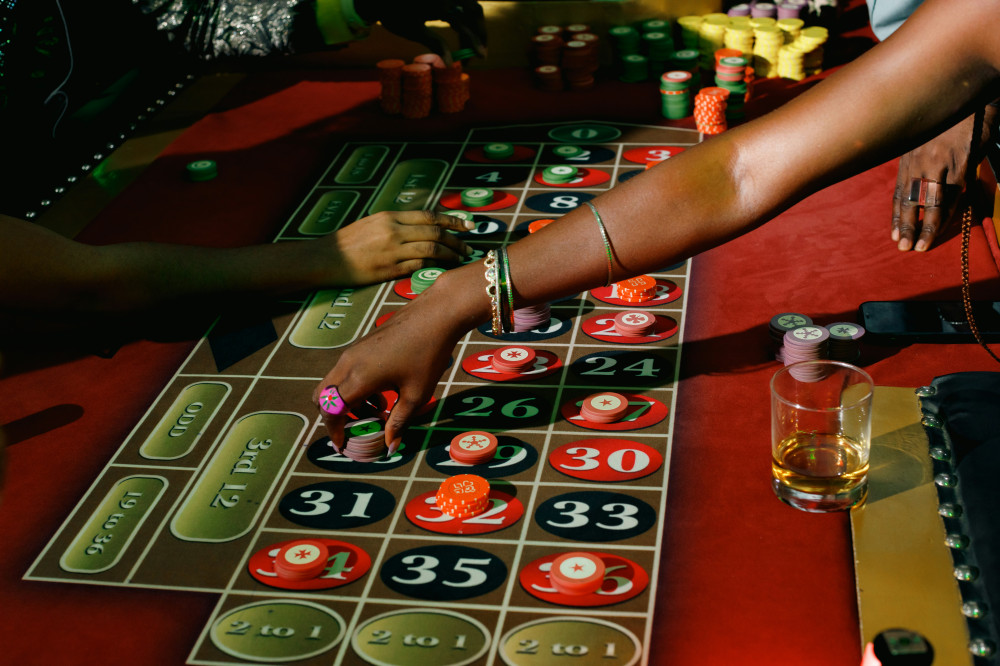
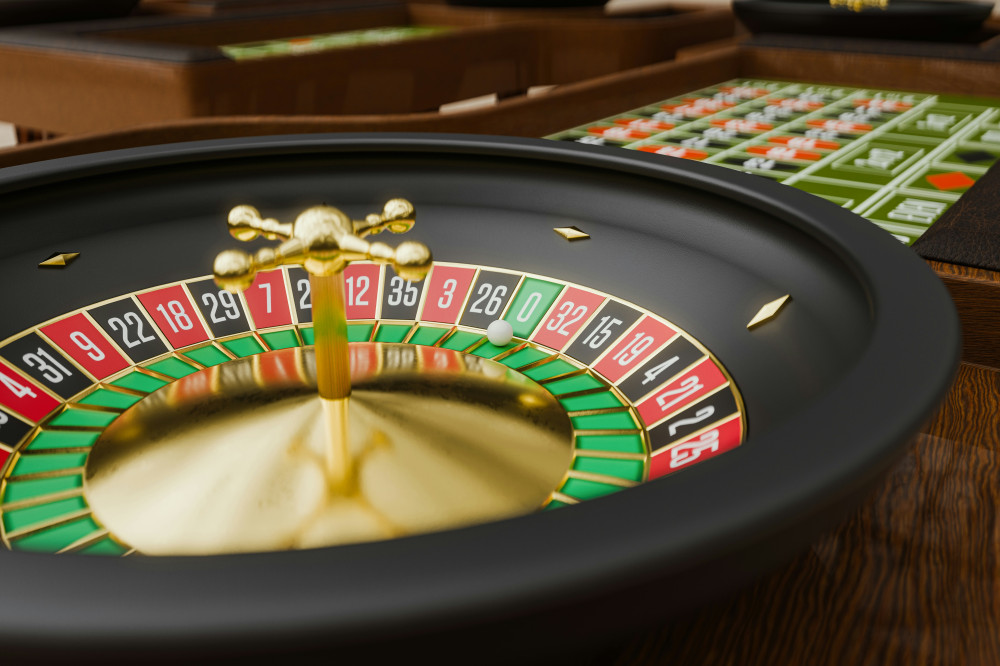
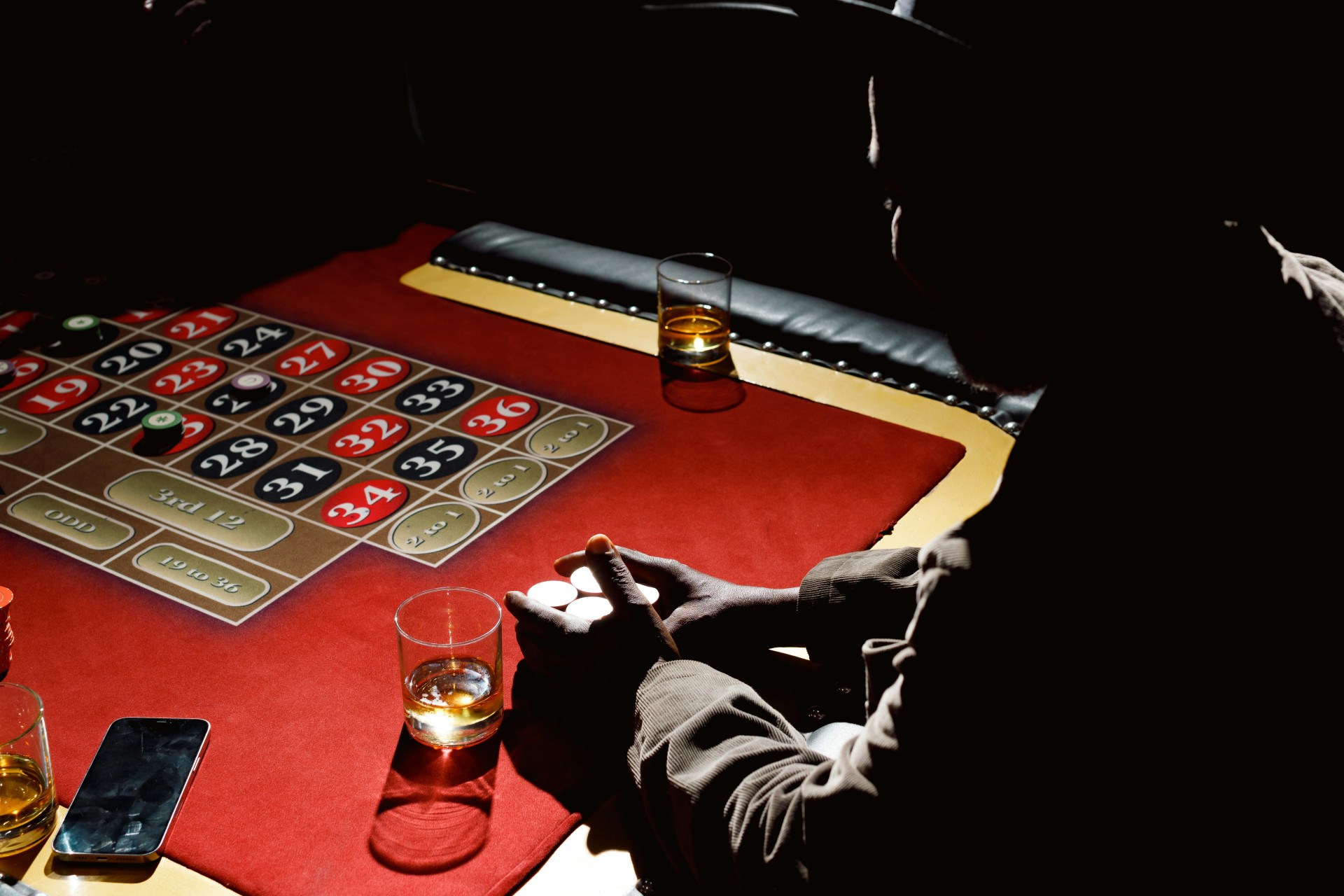
For many players, colors are the most intuitive place to start. Red and black are the heartbeat of the game, and choosing between them feels almost like picking a side. A color bet offers nearly a 50/50 chance of winning (with a small house edge due to the green zero or double zero).
Some players stick with one color throughout a session, a kind of loyalty that gives a sense of control. Others switch colors after each spin or follow patterns like “two reds, one black.”
Even though each spin is independent and past results don’t affect future ones, following your own rhythm can make the game more engaging. The key is to play with awareness that every spin is random – and that the colors are simply a fun framework for the experience.
The Numbers – Personal Choices and Systems
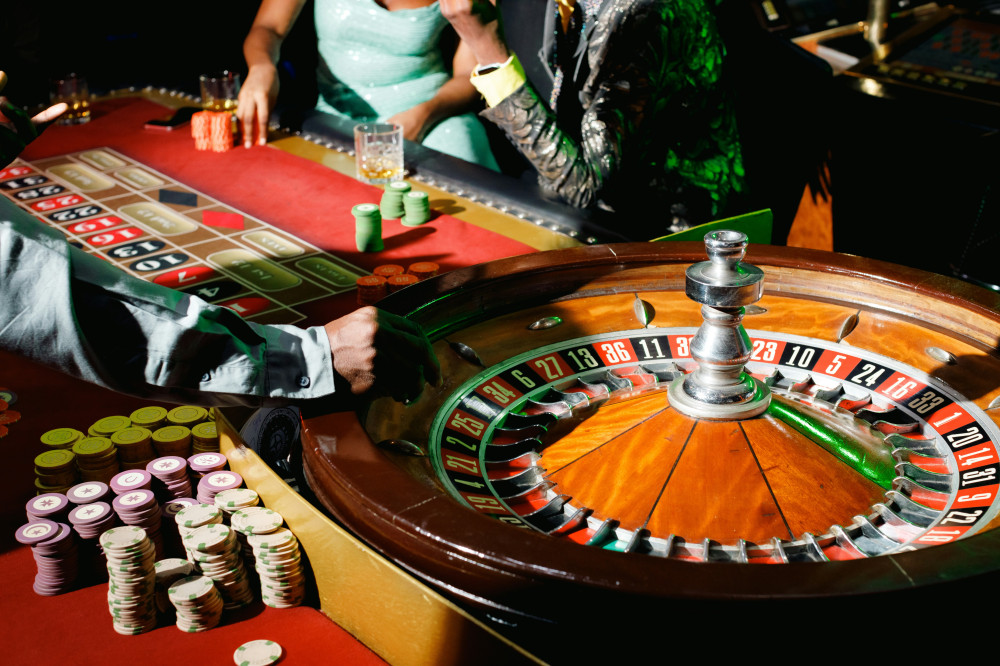
The roulette table features 37 or 38 numbers, depending on whether you’re playing European or American roulette. For some, these numbers are just statistics; for others, they carry personal meaning.
Many players choose numbers tied to their lives – birthdays, anniversaries, or lucky digits. This adds a personal touch to the game, turning each spin into a small story.
There are also more systematic approaches. Some players bet on “hot” numbers – those that have appeared frequently – while others prefer “cold” numbers, hoping they’re due to show up. Mathematically, the odds remain the same each time, but for many, the fun lies in following patterns and seeing what happens.
Læs også:
The Sections – Playing the Wheel’s Geography
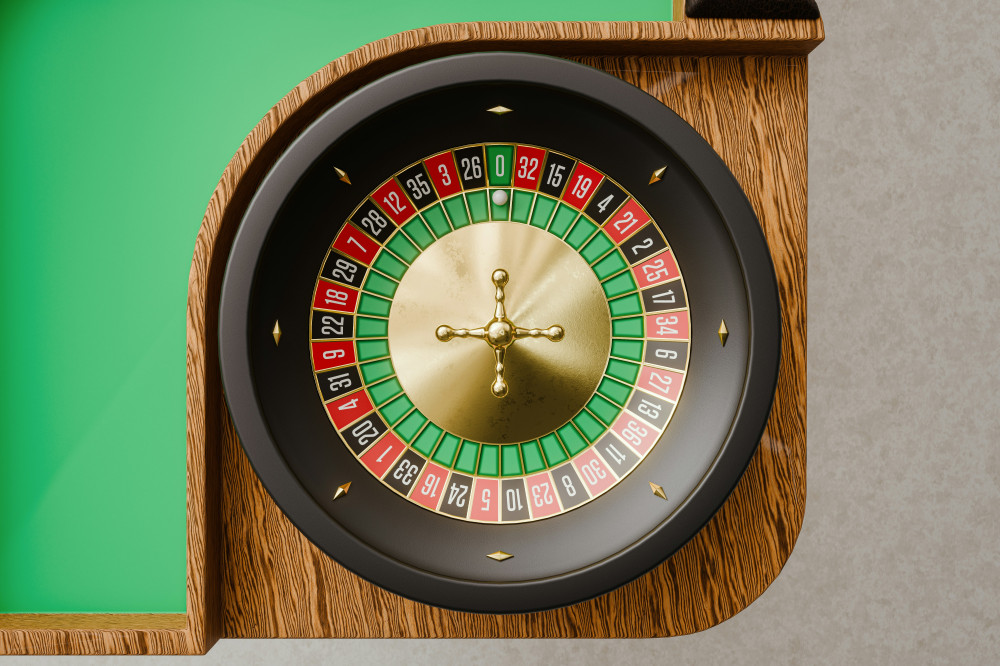
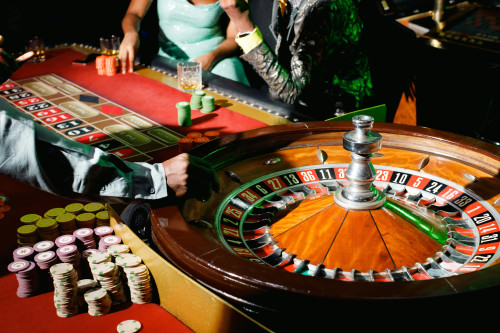
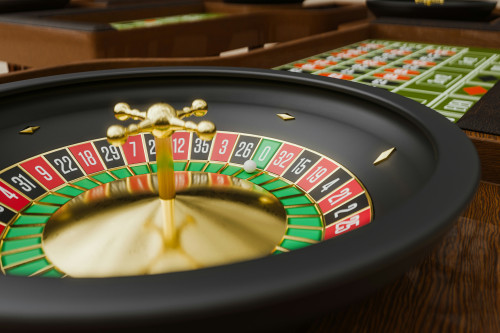
Another way to approach roulette is to think of the wheel as a map. Instead of focusing on individual numbers, you can bet on sections – groups of numbers that sit close together on the wheel.
Some players pick a specific area and stick with it, as if they “own” that part of the wheel. It might be the top half, a particular quarter, or a section where the ball seems to land often.
This method isn’t about predicting outcomes but about creating structure in your play. It can make the game feel more strategic and give you a sense of focus, even though the results are still random.
Systems and Probability – When Math Meets Instinct
Over the years, roulette has inspired countless betting systems: Martingale, Fibonacci, Labouchère, and many others. They all revolve around adjusting your bet size based on previous results – for example, doubling after a loss to recover earlier losses.
While these systems can seem logical, they don’t change the fundamental odds of the game. The house always has a small edge, and no system can eliminate it.
For many players, though, it’s not about beating the system but about finding a way to play that feels exciting and controlled. If you decide to use a system, do so thoughtfully – and always set a limit for how much you’re willing to spend.
Create Your Own Method
There’s no single “right” way to play roulette. Some people play for the thrill, others for the social experience, and some for the challenge of testing strategies.
The most important thing is to find a method that fits your personality. Maybe you’re the analytical type who tracks patterns and probabilities. Or maybe you’re more intuitive, playing by feel and symbolism.
Whatever your style, remember that roulette is a game – not an investment. Play for the experience, not the outcome. When you find your own balance between luck, strategy, and enjoyment, every spin becomes part of your personal story at the table.
Læs også: