Probability in Roulette: Seeing the Game in a New Light

Probability in Roulette: Seeing the Game in a New Light
For generations, roulette has captured the imagination of casino-goers around the world. The spinning wheel, the bouncing ball, and the suspense of waiting for it to land on a number create a unique blend of chance and anticipation. Yet behind the glamour and excitement lies a simple mathematical structure that can be understood—and appreciated—in a new way. This article explores the probabilities behind roulette and offers a clearer view of what really drives the game.
A Game Built on Chance
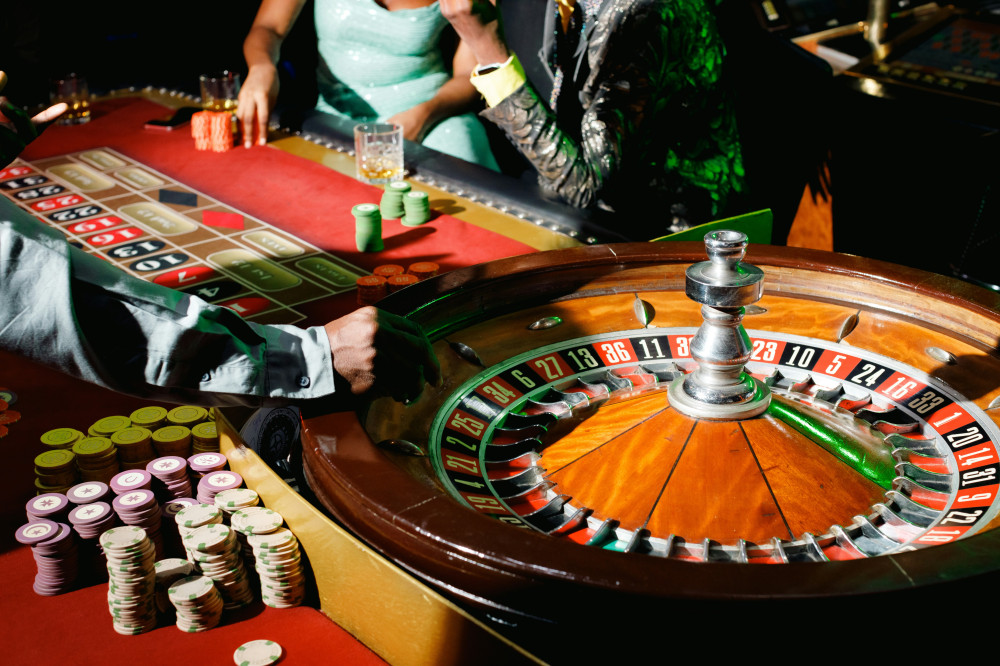
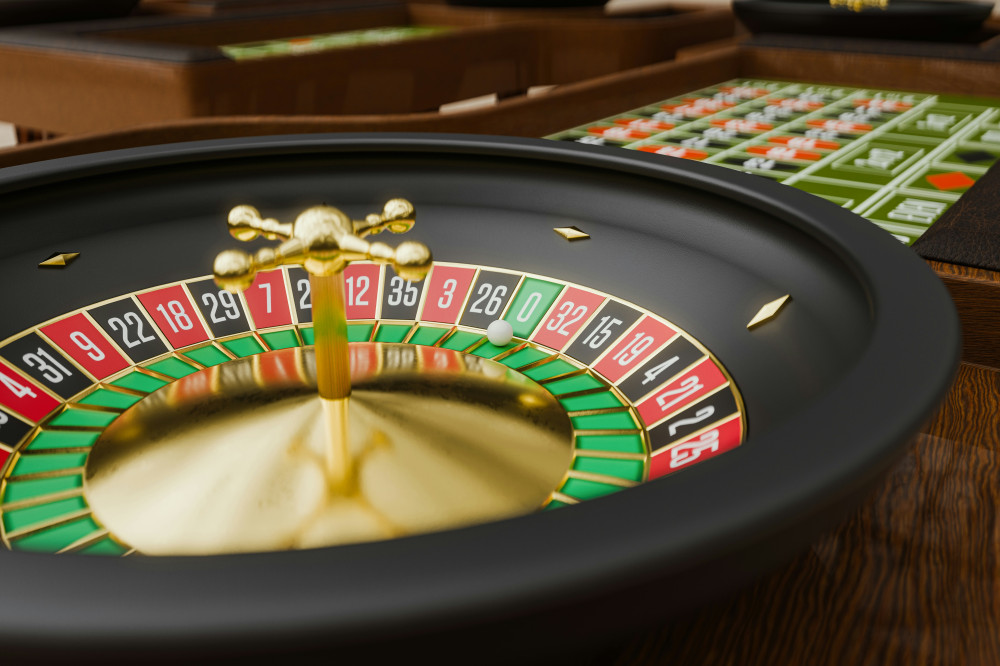
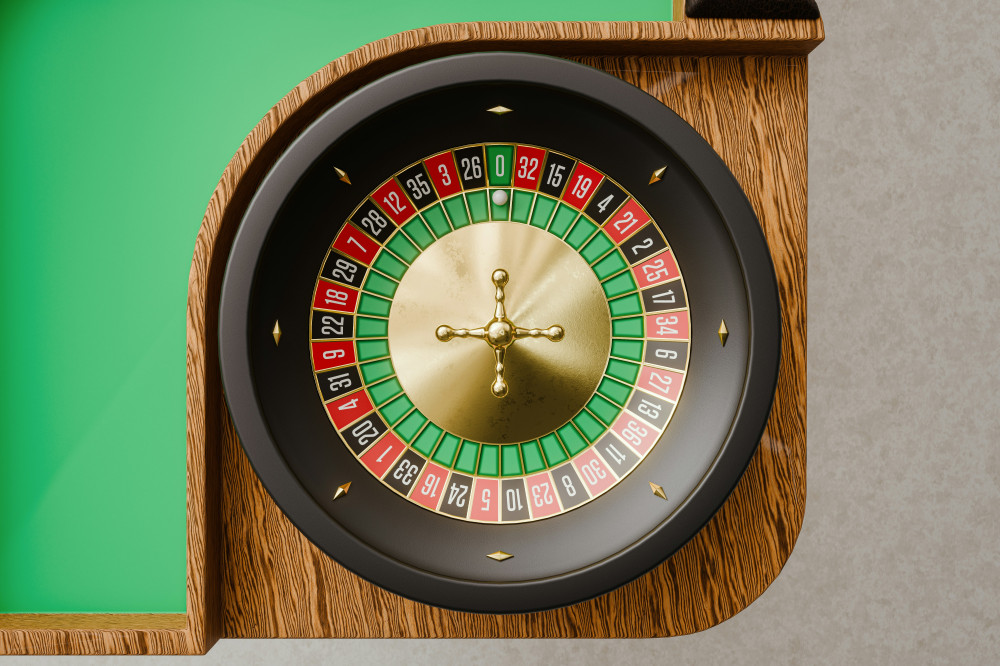
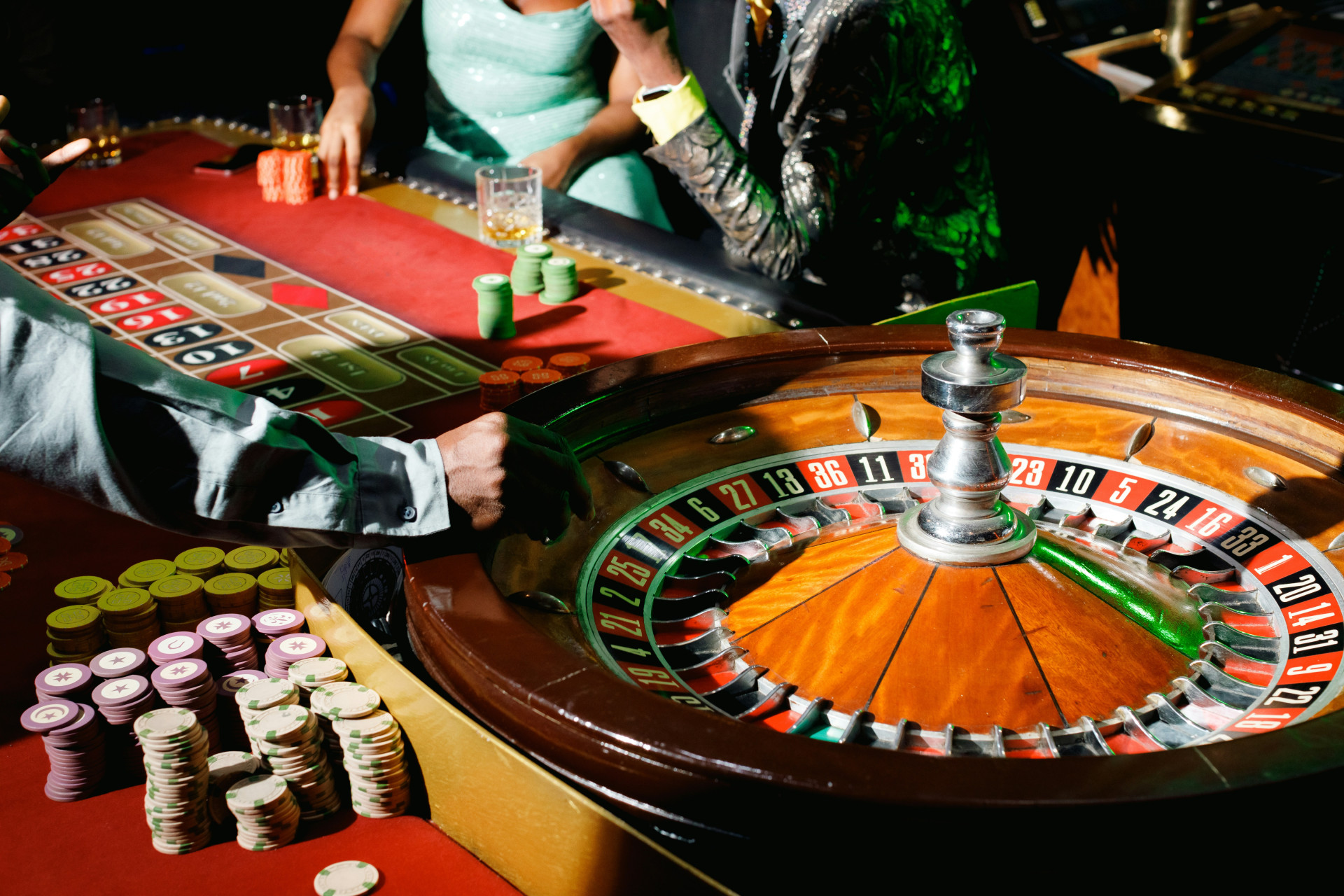
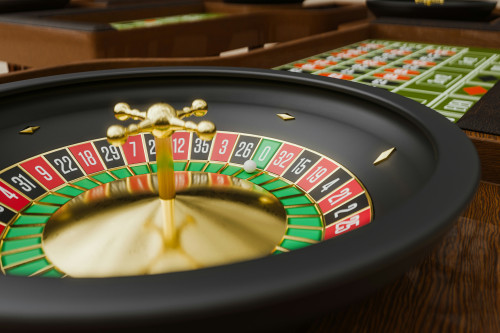
At its core, roulette is a game of probability. The wheel is divided into numbered pockets—38 in American roulette (0, 00, and 1–36) and 37 in European roulette (0 and 1–36). When the ball is set in motion, the outcome is theoretically random, but the odds of each type of bet can be calculated precisely.
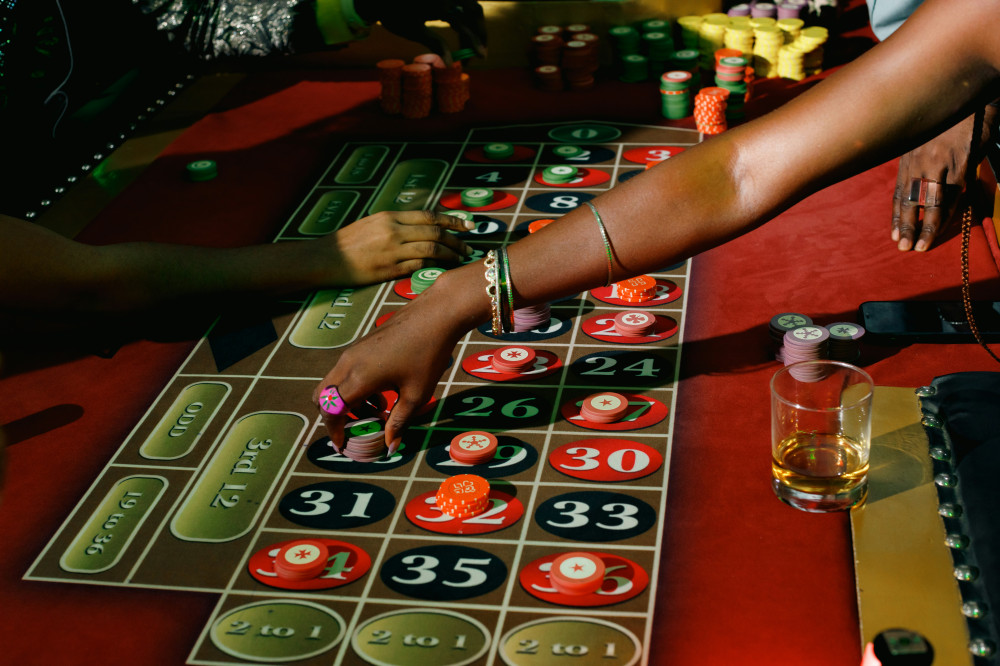
For example, in American roulette, the chance of hitting a single number is 1 in 38, or about 2.63%. A bet on red or black covers 18 of the 38 pockets, giving a probability of 47.37%. The remaining fraction—the green 0 and 00—represents the casino’s built-in advantage.
The House Edge – The Casino’s Hidden Advantage
Roulette is designed so that the house always has a small edge. This “house edge” is 5.26% in American roulette and 2.7% in European roulette. The difference comes from that extra double zero on the American wheel.
In practical terms, this means that over time, the casino will earn a small profit on every bet placed. It’s not a matter of cheating—it’s simply how the math works. For players, this means roulette should be viewed as entertainment, not as a reliable way to make money.
Myths and Misconceptions
Many players fall into the trap of believing they can spot patterns in the results. If the ball has landed on black several times in a row, they assume red is “due.” This is known as the gambler’s fallacy, a classic misunderstanding of probability.
In reality, each spin is independent of the last. The wheel and ball have no memory, and the odds remain the same every time. This independence is what makes roulette both thrilling and unpredictable.
Betting Systems – Why They Don’t Change the Odds
Over the years, countless betting systems have promised to “beat” roulette. One of the most famous is the Martingale system, where you double your bet after every loss to recover previous losses with one win. While it sounds logical, in practice it quickly runs into table limits—or your own financial limits.
Other systems, such as the Fibonacci or Labouchere methods, follow similar patterns. They may create a sense of control, but they don’t alter the underlying probabilities. Roulette remains a game of chance, not of strategy.
American vs. European Roulette
The difference between the two main versions of roulette may seem small, but it has a big impact. The American wheel includes both a 0 and a 00, which increases the house edge and slightly reduces the player’s chances. The European wheel, with only one zero, is more favorable to players.
Some casinos also offer French roulette, which includes special rules like La Partage or En Prison. These can reduce losses when the ball lands on zero, lowering the house edge even further.
Læs også:
Roulette as a Lesson in Probability
Beyond the casino floor, roulette serves as a fascinating real-world example of probability in action. It demonstrates how randomness works and how small rule changes can shift long-term outcomes. For students of mathematics, it’s a practical way to explore concepts like independent events, expected value, and variance.
For players, understanding these ideas can bring perspective. It helps separate the excitement of the game from the illusion of control—and that awareness can make the experience more enjoyable and honest.
Play with Insight, Not Illusion
Roulette will always be a game of luck. But by understanding the probabilities behind it, you can approach the wheel with greater insight. You can enjoy the tension and thrill without convincing yourself that you can predict the outcome.
Seeing roulette in a new light isn’t about finding a secret formula—it’s about recognizing the elegant mathematics that make the game what it is. When you understand the mechanics behind the spin, the experience becomes not only more transparent, but perhaps even more fascinating.
Læs også: