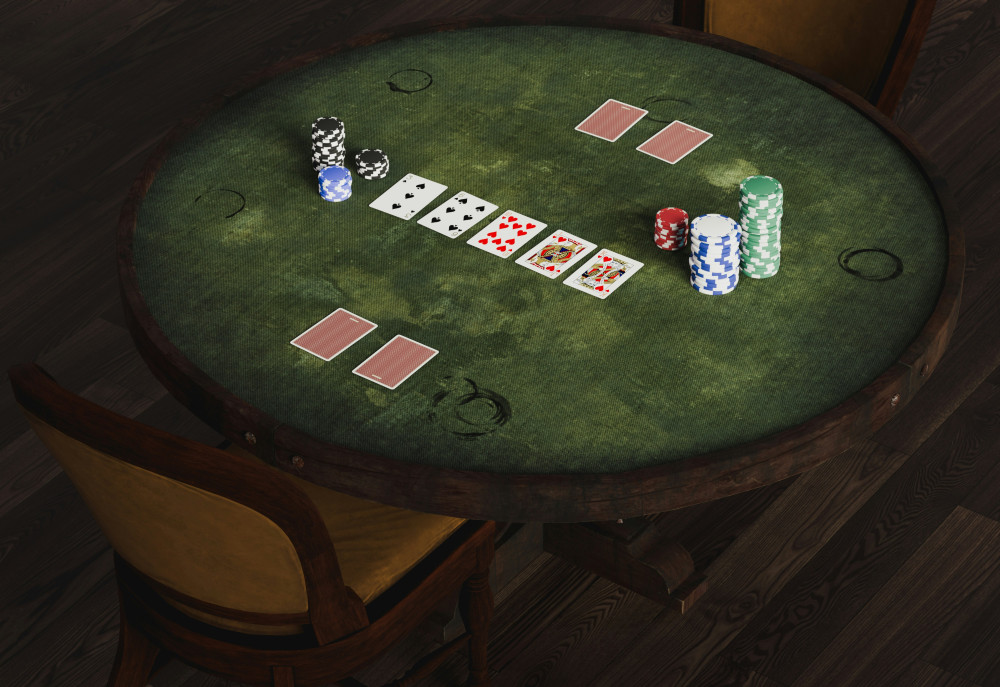
Short Deck Hold’em: How Fewer Cards Transform the Game’s Dynamics

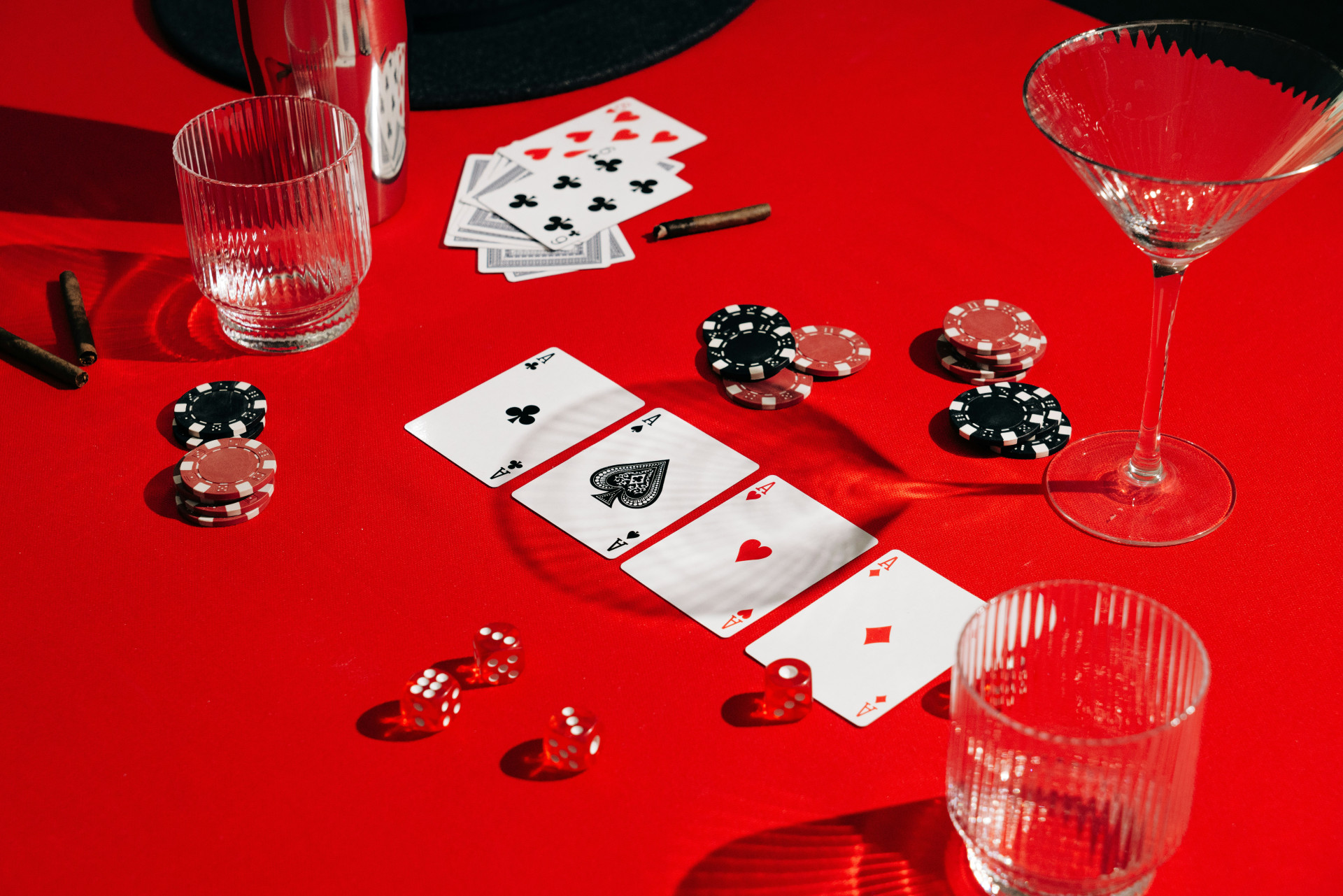
Short Deck Hold’em: How Fewer Cards Transform the Game’s Dynamics
Poker has always thrived on innovation, but few variants have shaken up the game quite like Short Deck Hold’em. By removing some of the lowest cards from the deck, this format changes probabilities, hand values, and strategies in ways that even seasoned Texas Hold’em players find refreshing and challenging. Born in Asia’s high-stakes poker circles, Short Deck has since made its way to major tournaments and online platforms around the world — including the U.S. — where players are discovering its fast pace and unpredictable nature.
What Is Short Deck Hold’em?
Also known as Six Plus Hold’em, Short Deck is played with a trimmed-down deck: all twos, threes, fours, and fives are removed, leaving only cards from six through ace. That means just 36 cards instead of the usual 52.
The structure mirrors traditional Texas Hold’em — each player gets two hole cards, five community cards are dealt, and the goal is to make the best five-card hand. But with fewer cards in play, the math behind the game changes dramatically, and so does the strategy.
New Odds, New Strategies
When the low cards disappear, strong hands appear more often. Flushes, full houses, and straights become more common, while single pairs lose some of their strength. Because there are fewer “gaps” between ranks, straight draws occur more frequently, and connected high cards gain value.
Hands like A-K or Q-J become more powerful, while small pairs — once reliable in regular Hold’em — drop in value. Players used to the standard game must adjust their instincts: a hand like A-10 can suddenly be a powerhouse, thanks to the increased likelihood of hitting a straight.
Læs også:
Adjusted Hand Rankings
To reflect these new probabilities, Short Deck Hold’em uses slightly different hand rankings. In most versions, a flush ranks higher than a full house, since it’s harder to make five cards of the same suit with fewer cards in the deck. Some variations also allow the ace to act as both high and low in straights, making A-6-7-8-9 a valid straight.
These tweaks may seem minor, but they have major strategic implications. Misjudging the relative strength of a hand can lead to costly mistakes — especially for players transitioning from traditional Hold’em.
A Game with More Action
One of the biggest reasons Short Deck has gained popularity is its pace. With stronger hands appearing more often, players are less likely to fold before the flop, and pots grow quickly. The result is a game filled with action, frequent all-ins, and dramatic swings.
For many, that’s exactly the appeal. There’s less waiting, more excitement, and a sense that anything can happen — even in just a few hands.
Strategic Considerations
Mastering Short Deck requires a fresh approach to both preflop and postflop play. Here are some key adjustments:
- Starting Hands: High cards and connected hands (like 9-10 or J-Q) rise in value, while small pairs and low connectors lose importance.
- Position: Position remains crucial, but since more hands are playable, reading opponents becomes trickier.
- Variance: With more big hands colliding, swings are larger. Solid bankroll management is essential.
- Bluffing: Because players hit the board more often, bluffs are less effective. Choose your spots carefully.
Why It Appeals to Modern Players
Short Deck Hold’em fits perfectly with today’s poker culture — fast, thrilling, and full of big moments. It rewards creativity, adaptability, and courage, challenging even experienced players to rethink their strategies.
Many professionals, including several World Series of Poker champions, have embraced the format. Major series like Triton Poker have made it a staple, giving Short Deck an aura of prestige and innovation that attracts both high rollers and curious newcomers.
A Fresh Breath for the Poker World
Short Deck Hold’em isn’t just another variant — it’s a reinvention that reminds us why poker continues to captivate millions. With fewer cards, more action, and a faster rhythm, it’s a game that rewards boldness, intuition, and the willingness to think differently.
For players ready to dive in, Short Deck offers a thrilling experience where every hand feels alive — and even the most seasoned pros find themselves learning the game all over again.
Læs også: