Beginner-Friendly Poker: How to Get Started with Clubs and Home Tournaments

Beginner-Friendly Poker: How to Get Started with Clubs and Home Tournaments
Poker is a game that blends luck, strategy, and human intuition — and that mix is exactly what makes it so captivating. For many Americans, the first experience comes from a casual game with friends or a few hands played online. Whether you’re drawn to the social side or the strategic challenge, stepping into live poker through local clubs or home tournaments can be a fun and rewarding next step. Here’s a guide to help you get started.
Learn the Basics
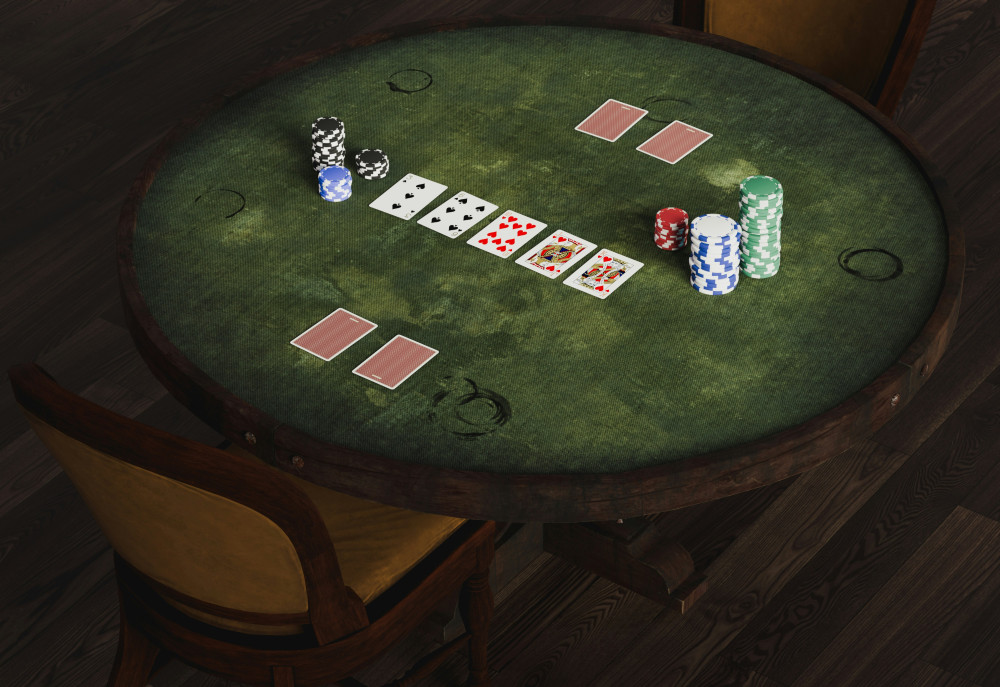
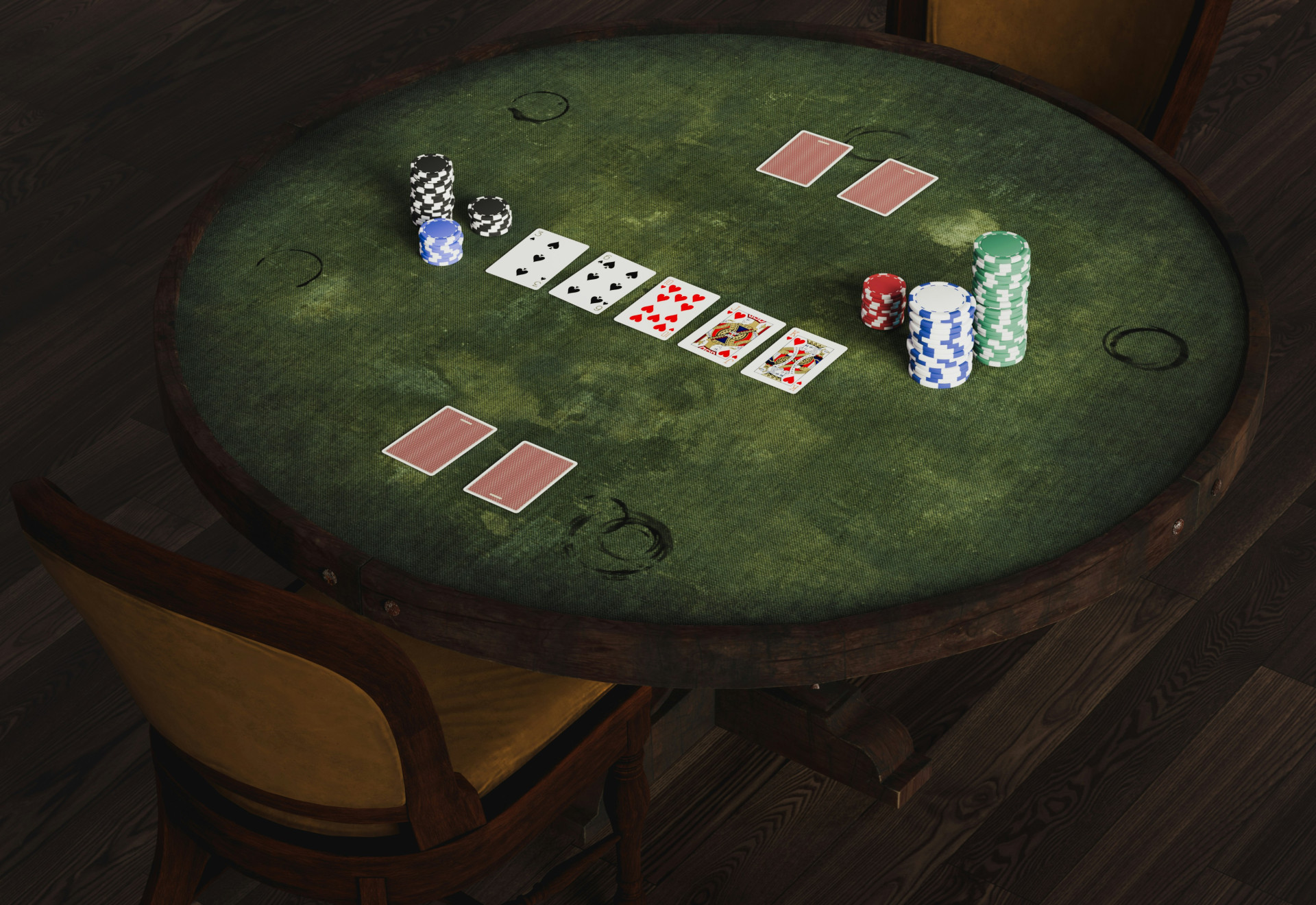
Before you sit down at a table, it’s important to understand the basic rules. The most popular version in the U.S. is Texas Hold’em, where each player gets two private cards and shares five community cards on the table. The goal is to make the best five-card hand — or convince your opponents that you have it.
There are plenty of free online resources and tutorials that explain hand rankings, betting rounds, and poker terminology. Start small with low-stakes or play-money games among friends. Focus on learning the flow of the game and key concepts like “blinds,” “flop,” “turn,” and “river.” Once you’re comfortable, you’ll find it much easier to join live games with confidence.
Find a Local Poker Club
Across the U.S., you’ll find poker clubs, leagues, and social groups that welcome new players. Some operate as private membership clubs, while others are hosted in community centers, bars, or charity events. These clubs are great places to meet fellow enthusiasts, learn from experienced players, and enjoy a structured but friendly environment.
When choosing a club, look for:
- A welcoming atmosphere – You should feel comfortable and included, even as a beginner.
- Clear rules and structure – The club should have transparent tournament formats and promote responsible play.
- Beginner-friendly options – Some clubs offer “rookie nights” or low buy-in tournaments designed for newcomers.
If you’re unsure, visit a club as a spectator first. Watching a few hands will help you get a feel for the pace, etiquette, and overall vibe before you join in.
Host a Home Tournament
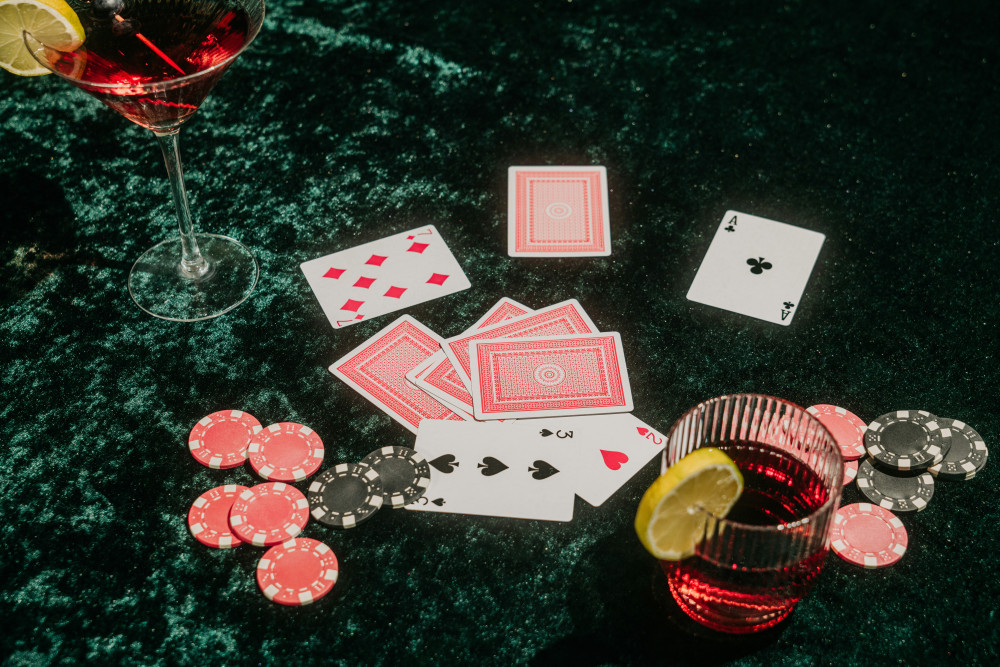
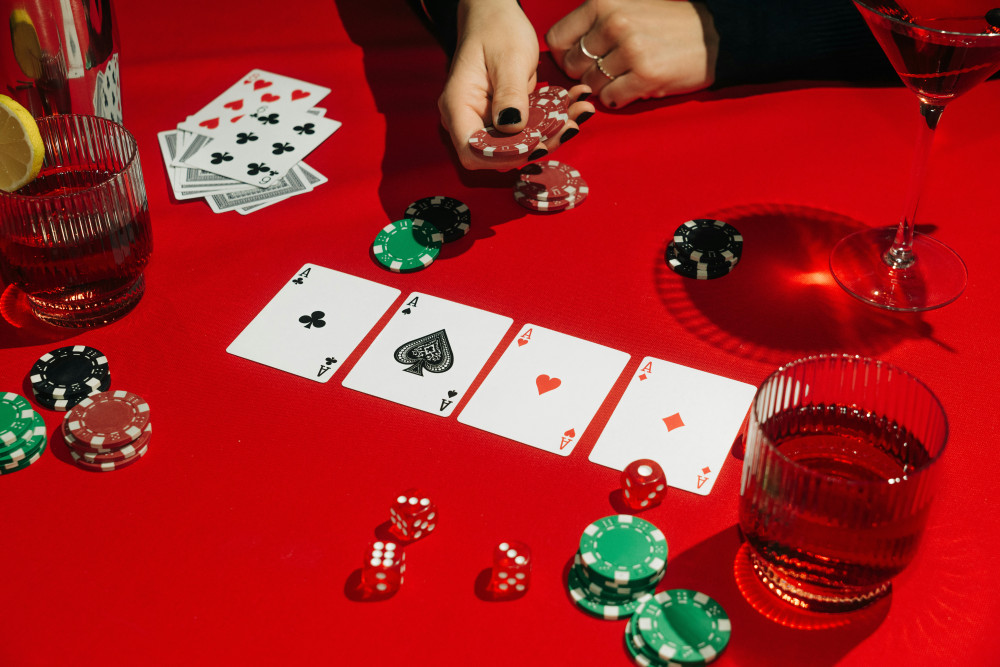
If you’d rather start in a relaxed setting, hosting a home poker tournament is a great option. You don’t need much equipment — a deck of cards, some poker chips, and a table are enough to get started. There are free apps and websites that can help you manage blinds, levels, and payouts.
To make your home game enjoyable for everyone:
- Agree on the buy-in and keep it small.
- Make sure everyone understands the rules before you start.
- Keep the atmosphere light with snacks, drinks, and breaks between rounds.
Home tournaments are perfect for learning the game in a low-pressure environment where the focus is on fun and friendship rather than big winnings.
Learn to Read the Game — and Yourself
Poker isn’t just about the cards; it’s about people. Reading your opponents’ behavior — and managing your own — is a key part of the game. As a beginner, practice observing:
- How players act when they have strong or weak hands.
- How often they bet, and how much.
- Your own body language — do you appear nervous, confident, or unpredictable?
Over time, you’ll develop a better sense of table dynamics and emotional control. These skills take practice but are what make poker endlessly fascinating.
Play Responsibly
Poker can be exciting and competitive, but it should always remain fun. Set a budget for how much you’re willing to spend and stick to it. If you ever feel that the game is becoming stressful or consuming too much time, take a break.
Many poker clubs and online communities promote responsible gaming and can point you toward resources if you need support. Being a good player means taking care of yourself as well as respecting others at the table.
Læs også:
A Game That Brings People Together
Poker is more than cards and chips — it’s a social experience that teaches strategy, patience, and emotional awareness. Whether you’re playing for fun or aiming to improve your skills, there’s a place for you in the poker community.
Start small, learn as you go, and enjoy the journey. For many players, poker becomes more than just a game — it’s a hobby that connects people through laughter, competition, and shared stories around the table.
Læs også: