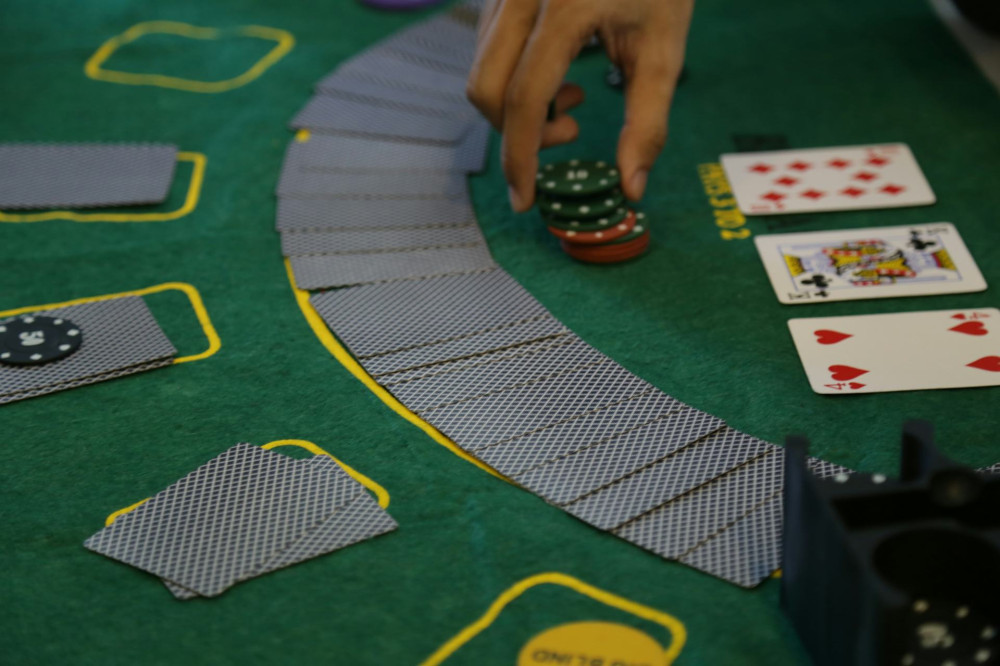
Set Your Own Limits – Take Control of Time and Money in Online Gaming

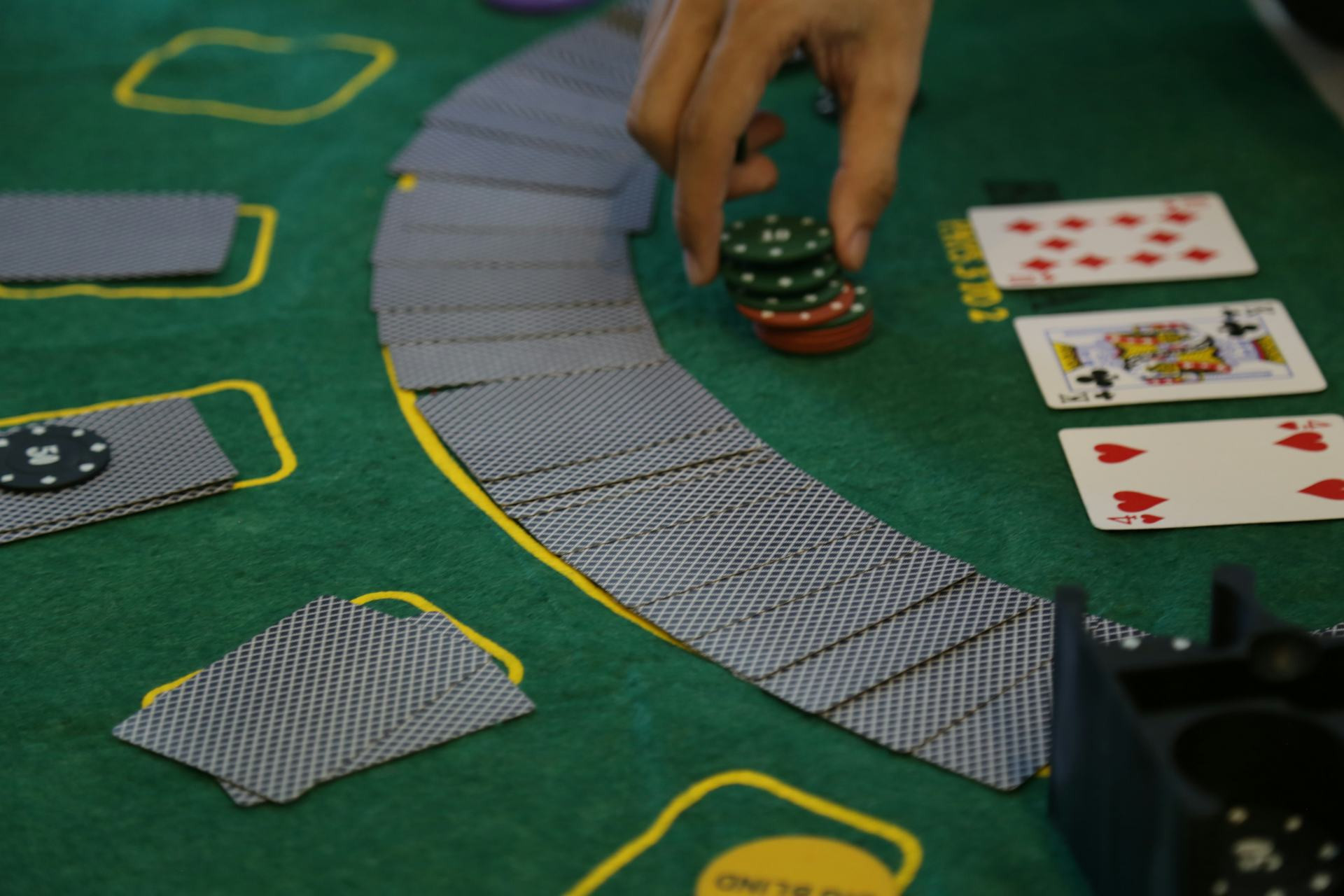
Set Your Own Limits – Take Control of Time and Money in Online Gaming
Online gaming can be exciting, social, and full of adrenaline – a way to relax, challenge yourself, and enjoy a bit of competition. But for some, the fun can start to slip out of balance. When hours disappear and spending goes beyond what you planned, it may be time to take a step back. The good news is that there are simple ways to stay in control so gaming remains enjoyable and doesn’t become a burden.
Here’s a guide to help you set your own limits and manage both time and money when gaming online.
Know Why You Play
The first step is to ask yourself why you play. Is it for entertainment, to unwind after work, or to chase the thrill of winning? There’s no wrong answer, but being aware of your motivation helps you keep perspective. If you find yourself playing mainly to escape stress or to win back losses, that’s a sign to pause and reassess.
When you play for fun, you accept that there’s a cost to the experience—just like going to a movie or a concert. That mindset makes it easier to set realistic boundaries for how much time and money you’re comfortable spending.
Set a Budget – and Stick to It
A clear gaming budget is one of the best tools for staying in control. Decide in advance how much you can afford to lose without affecting your bills, savings, or daily needs. That amount should come from your entertainment budget—not from money meant for essentials.
Most licensed online gaming platforms in the U.S. offer tools that let you set deposit limits, loss limits, and time limits. Use them. When you reach your limit, the system will remind you or stop further play, helping you stick to your own rules.
Think of your limit as part of the game’s rules—you wouldn’t change the rules halfway through a match, so don’t change them here either.
Plan Your Gaming Time
Time can be just as important as money when it comes to balance. Schedule your gaming sessions in advance—maybe a set evening each week or a specific time on weekends. That way, gaming becomes a planned activity rather than something that takes over your free time.
Set an alarm or reminder to let you know when it’s time to stop. It’s easy to lose track of time when you’re immersed in a game, and a simple alert can help you stay mindful.
Recognize the Warning Signs
Even with good intentions, gaming can sometimes get out of hand. Watch for signs such as:
- Playing to win back lost money
- Hiding how much time or money you spend from others
- Spending more time gaming than you planned
- Feeling restless or irritable when you’re not playing
If any of these sound familiar, take it seriously. Talk to someone you trust or reach out for professional help. In the U.S., you can contact the National Problem Gambling Helpline at 1-800-GAMBLER (1-800-426-2537) for free, confidential support 24/7.
Use the Tools Available
Most regulated gaming sites in the U.S. are required to provide responsible gaming tools. You can:
- Set personal limits on deposits, losses, and play time
- Take a break by temporarily suspending your account
- Self-exclude from gaming sites for a set period or permanently
These tools aren’t a sign of weakness—they’re a sign of self-awareness and responsibility. Using them shows that you’re taking charge of your gaming habits.
Læs også:




Talk About It
Many people keep their gaming habits private, but talking about them can make a big difference. Share your limits with a friend, partner, or family member, and ask them to help you stay accountable. It’s easier to stick to your goals when someone else knows about them.
If you ever feel that gaming is taking up too much space in your life, consider speaking with a counselor or joining a support group. Help is available online, by phone, and in person—often free and confidential.
Play Smart – and Enjoy It
Online gaming can be a fun and rewarding pastime when done responsibly. By setting clear limits on time and money, using the tools available, and being honest with yourself, you can make sure gaming stays a positive part of your life.
Responsible gaming isn’t about quitting—it’s about staying in control. When you set your own limits, you can play with confidence, enjoy the experience, and keep the fun in the game.
Læs også: