Poker as a Social Game: Companionship, Strategy, and Community at the Table


Poker as a Social Game: Companionship, Strategy, and Community at the Table
Poker is often associated with excitement, strategy, and the thrill of winning, but it also carries a strong social dimension that many overlook. Whether it’s played around a kitchen table, in a local card room, or online, poker is as much about connection, conversation, and shared experience as it is about cards and chips. It’s a game where people come together, challenge one another, and build relationships — where the social interaction can be just as meaningful as the outcome of a hand.
A Game That Brings People Together
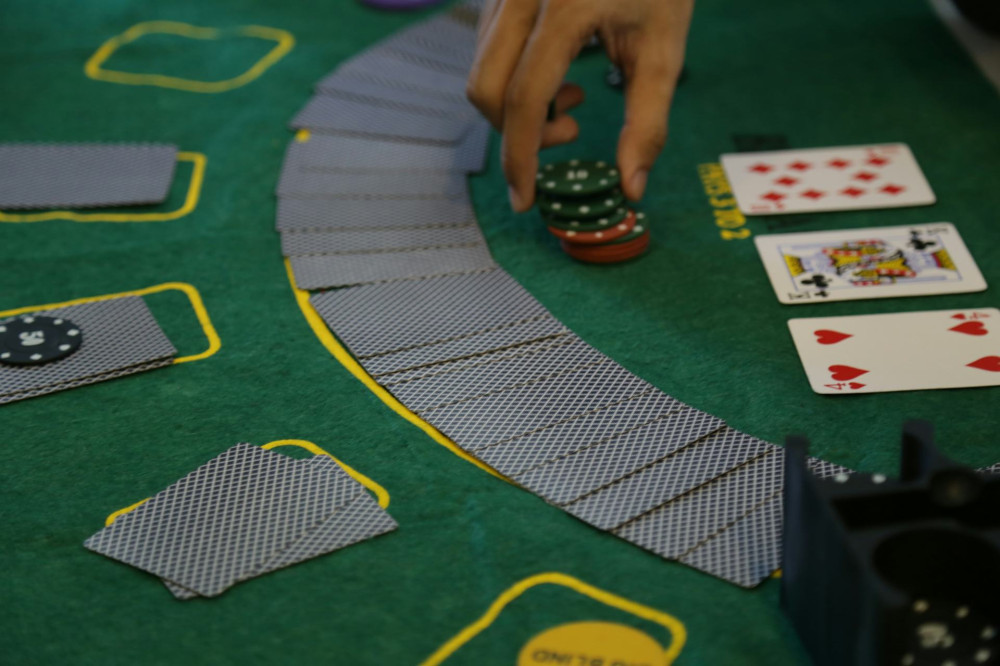
For many Americans, poker night is a cherished tradition. Friends gather with snacks, drinks, and a deck of cards for an evening of laughter and lighthearted competition. The stakes might be small, but the camaraderie is priceless. It’s less about winning money and more about enjoying the company and the stories that unfold around the table.
Even in professional settings, the social side of poker is unmistakable. Players travel the tournament circuit together, share strategies, and form lasting friendships. The poker community — from Las Vegas to local charity events — thrives on mutual respect, humor, and the shared love of the game.
Læs også:


Strategy and Psychology — The Human Element
Poker is a fascinating blend of mathematics, psychology, and intuition. It’s not just about calculating odds or memorizing hand rankings; it’s about reading people. Every glance, hesitation, or bet can reveal something about an opponent’s mindset. Understanding these subtle cues turns poker into a game of human interaction as much as one of logic.
To “read the table” requires empathy and observation. Who’s playing aggressively? Who’s bluffing? Who’s quietly confident? These questions make poker a continuous learning experience — not only about the game itself but also about human behavior and decision-making.
Community in the Digital Age
The rise of online poker has transformed how people connect through the game. While players may not share the same physical space, they still build communities through chat rooms, online tournaments, and social media groups. Many friendships that start online eventually lead to real-world meetups at live events or poker festivals.
Online poker has also made the game more accessible. Anyone can log in, play a few hands, and join a global community of enthusiasts. Forums and streaming platforms allow players to exchange tips, discuss strategies, and celebrate each other’s successes. Even in a digital world, poker continues to foster genuine social bonds.
Poker as Mental Training
Beyond its social appeal, poker is a powerful exercise in focus, patience, and decision-making. It teaches players to stay calm under pressure, analyze situations carefully, and learn from mistakes. Many find that the skills developed at the poker table — strategic thinking, emotional control, and resilience — carry over into everyday life.
Handling both victory and defeat with grace is part of poker’s unwritten code. The ability to lose with a smile and win with humility reflects the respect that keeps the game enjoyable for everyone involved.
A Culture of Respect and Connection
While poker can be fiercely competitive, the best games are built on mutual respect. The shared understanding that everyone is there to have fun, challenge themselves, and enjoy the experience creates a welcoming atmosphere. It’s this balance between competition and companionship that makes poker more than just a game of chance or profit.
When the cards are shuffled and the chips are stacked, poker becomes a space for stories, laughter, and connection. It’s a reminder that even in a fast-paced, digital world, simple human interaction — a conversation across a table, a shared moment of suspense — still matters.
Poker as a Shared Experience
Whether you play casually with friends or compete in tournaments, poker is ultimately about people. It’s a game that brings individuals together, encourages learning, and builds community. In an age where so much of our social life happens through screens, a game of poker — live or online — offers a refreshing way to reconnect, share experiences, and enjoy the timeless pleasure of good company.
Læs også: