Roulette and Intuition: How Your Approach Shapes the Gaming Experience

Roulette and Intuition: How Your Approach Shapes the Gaming Experience
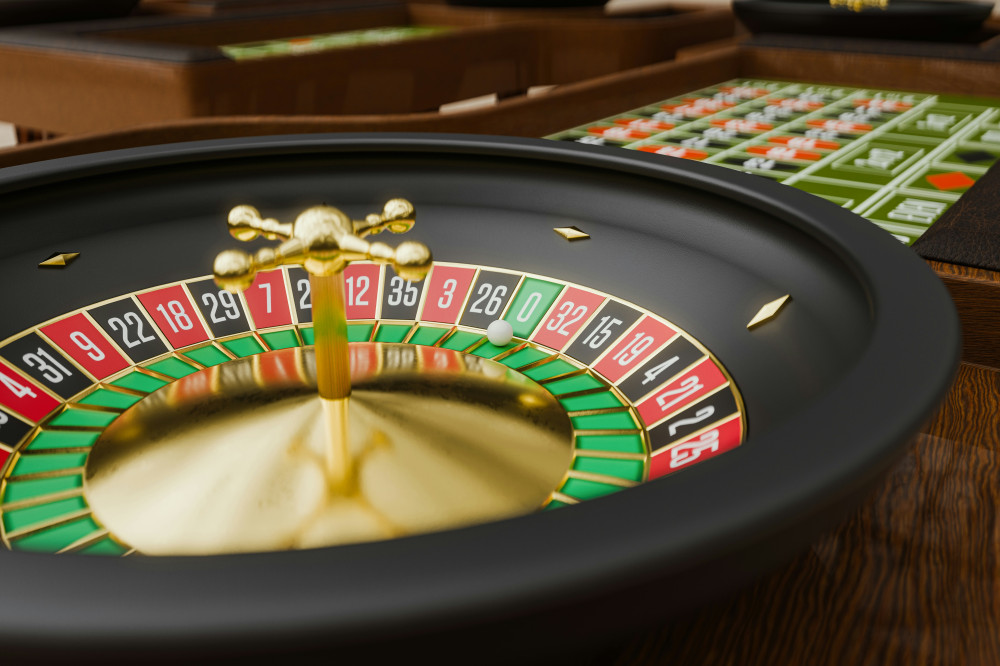
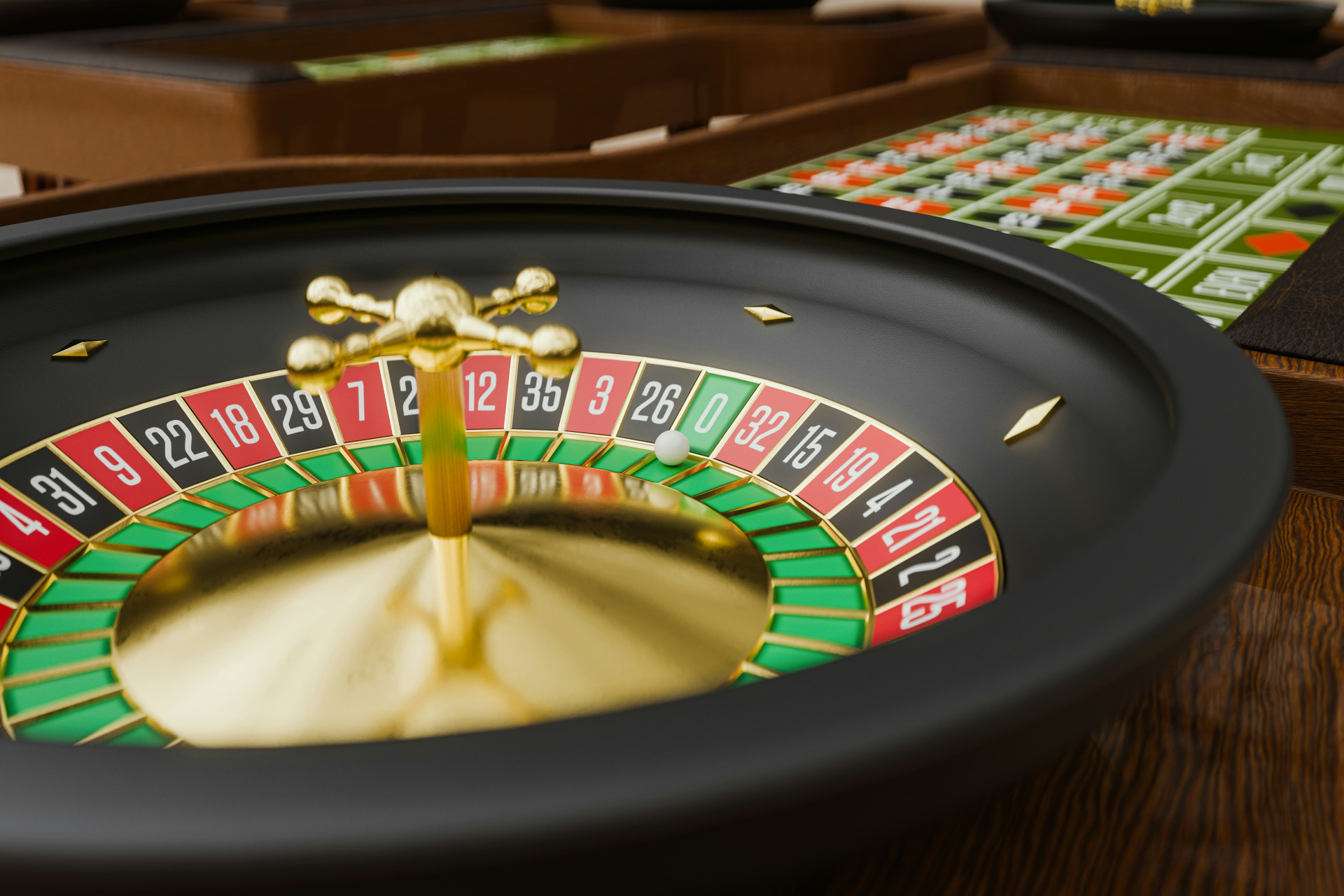
Roulette is one of the most recognizable casino games in the world — a single spin of the wheel can bring excitement, suspense, and sometimes disappointment. While the outcome is ultimately determined by chance, your personal approach plays a bigger role than you might think. The way you think, feel, and act as the wheel spins can deeply influence how you experience the game.
The Nature of the Game: Between Chance and Control
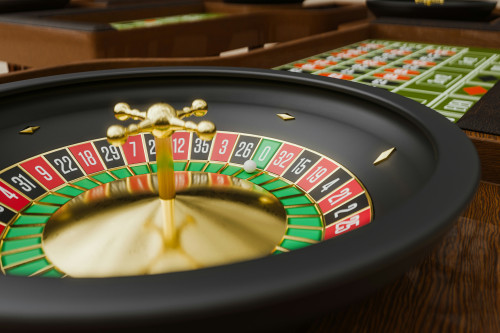
At its core, roulette is a game of probability. The wheel has a fixed number of pockets, and the ball lands randomly in one of them. No strategy can alter the mathematical odds — but that doesn’t mean your experience is entirely out of your hands.
Many players find that their mindset — whether they play impulsively, analytically, or intuitively — shapes both their decisions and their emotions during the game. Some look for patterns in the numbers, while others trust their gut. Both approaches can make sense, depending on what you’re hoping to get out of the experience.
The Role of Intuition at the Table
Intuition is that immediate feeling that nudges you toward a certain number or color without a clear reason. In roulette, intuition can feel like an inner compass — a way to find meaning in a game ruled by randomness.
For many players, intuition adds excitement. It creates a sense of personal involvement and gives the game a touch of mystery. When you follow your instincts, every spin becomes a small story about luck, timing, and the belief that “this might be my moment.”
But intuition can also lead to overinterpretation. It’s easy to believe you can “sense” when a number is due, even though each spin is statistically independent of the last. Recognizing the difference between intuition as a source of enjoyment and intuition as a false sense of control is key to a healthy approach.
Strategy and Structure – The Rational Approach
On the other side is the more analytical player, who uses systems and probabilities to bring structure to the game. While no strategy can guarantee a win, a planned approach can create a sense of calm and control.
Setting limits on your bets, choosing specific types of wagers, and sticking to a consistent rhythm can make the game more manageable. It’s not about “beating the system,” but about creating a framework that helps you stay focused and avoid letting emotions take over.
Læs også:


The Emotional Side of the Game
Roulette isn’t just about numbers — it’s also about emotions. The thrill, anticipation, and adrenaline are part of what makes it so captivating. But that same excitement can make it challenging to stay balanced.
When you win, you might feel unstoppable. When you lose, you might be tempted to chase your losses. That’s why it’s important to understand your own reactions. A mindful approach — one that embraces the excitement while respecting the role of chance — leads to a more rewarding experience in the long run.
Finding Your Own Rhythm
There’s no single “right” way to play roulette. Some players thrive on intuition, while others prefer a structured strategy. What matters most is knowing your own style and playing in a way that feels enjoyable and responsible.
Ask yourself what you’re looking for in the game: Is it entertainment, social connection, excitement, or the hope of a win? When you understand your motivation, it becomes easier to find a balance that keeps the game fun and positive.
Play with Awareness – and Enjoy the Moment
Roulette is ultimately about the moment when the ball drops — that instant of suspense that captures both chance and emotion. It’s a game that invites both reflection and intuition, allowing you to feel the thrill without losing your footing.
By blending reason and instinct, you can create a gaming experience that’s both engaging and balanced. You can’t control where the ball lands, but you can always control your approach — and that’s often where the real difference lies.
Læs også: