Why the Lottery Isn’t Like Card Games – Understanding the Difference in Probabilities

Why the Lottery Isn’t Like Card Games – Understanding the Difference in Probabilities
Many Americans dream of hitting the jackpot—whether it’s Powerball, Mega Millions, or a local state lottery. Some even compare it to playing cards, where luck and skill seem to mix. But while both involve chance, there’s a crucial difference: probability. In card games, strategy, experience, and psychology can influence the outcome. In the lottery, everything is pure chance. To understand why, we need to look at how probabilities work in each type of game.
The Lottery – Pure Randomness, No Control
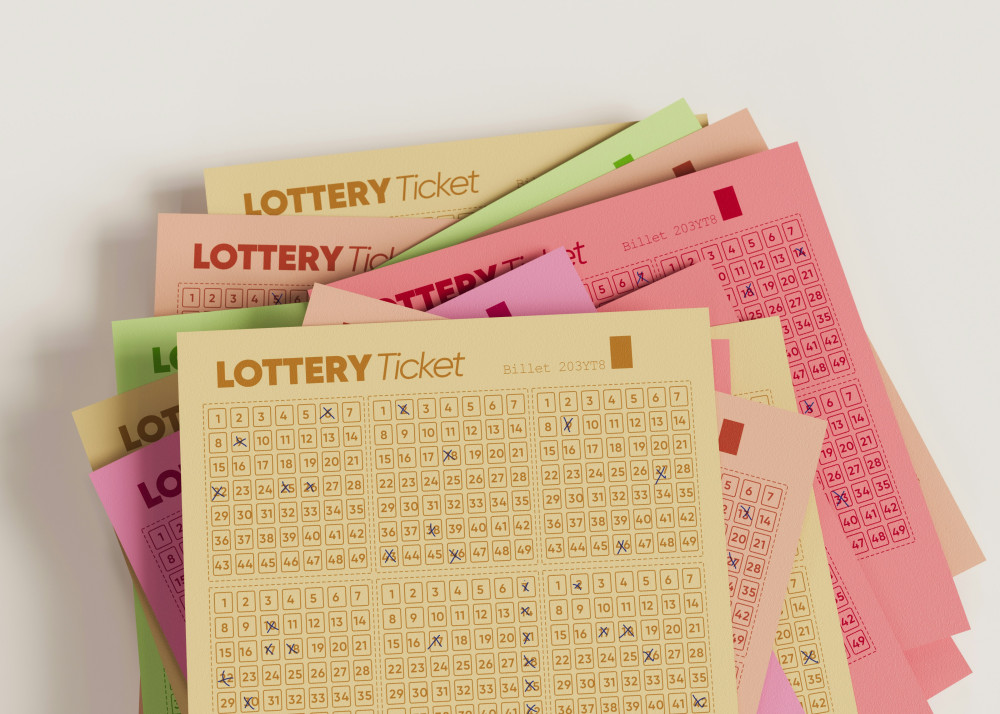
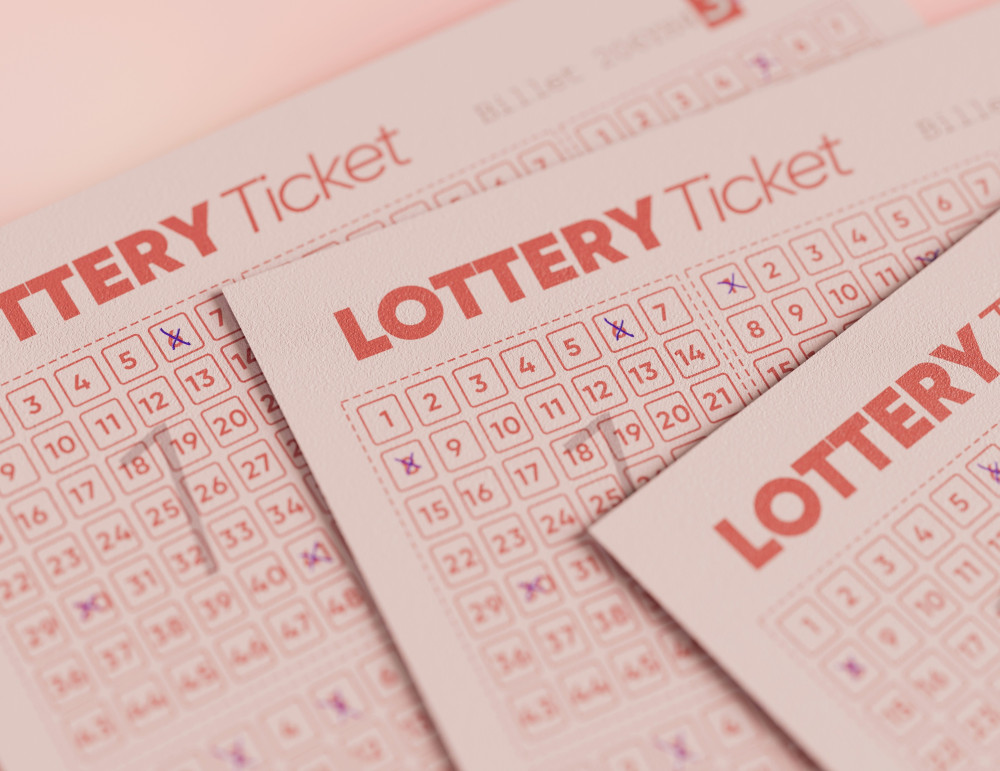
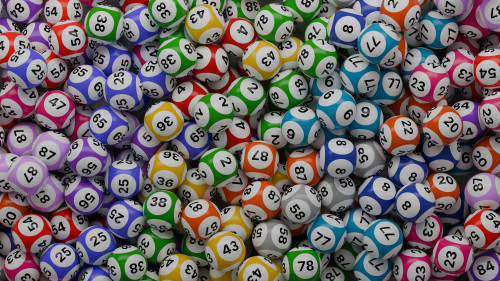
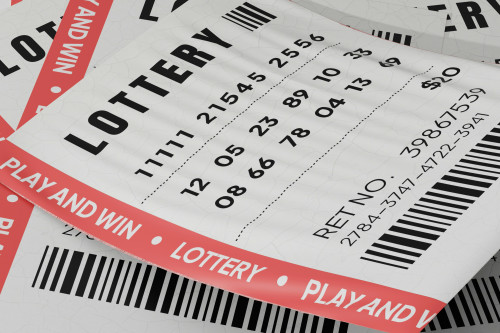
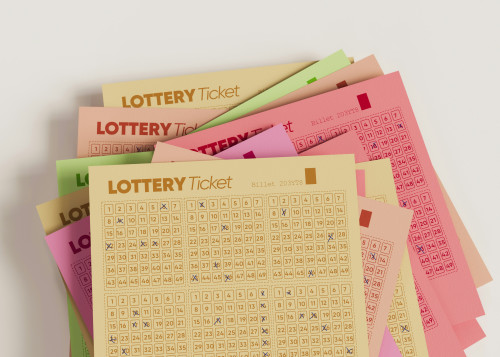
When you buy a lottery ticket, you’re choosing a set of numbers from a larger pool—say, 6 out of 49. Each number has exactly the same chance of being drawn, and one drawing doesn’t affect the next. That means there’s no strategy that can improve your odds. Whether you pick birthdays, “lucky” numbers, or let the machine choose for you, your chance of winning the jackpot remains the same.
To put it in perspective: the odds of winning the Powerball jackpot are about 1 in 292 million. You’re more likely to be struck by lightning, become a movie star, or find a pearl in an oyster. The lottery is a game of dreams, not a realistic path to wealth.
Card Games – Where Probability Meets Strategy
In card games like poker, blackjack, or bridge, probability still matters—but here, players can influence the outcome. You can calculate the odds of drawing certain cards, read your opponents, and make decisions that improve your chances over time.
Take poker, for example. You can estimate the probability of completing a winning hand and decide whether to bet, fold, or bluff based on that information. Over many games, skilled players tend to outperform beginners because they use strategy, math, and psychology to their advantage. Card games are therefore a blend of luck and skill—unlike the lottery, where only luck counts.
Independent Events – The Key to Understanding the Difference
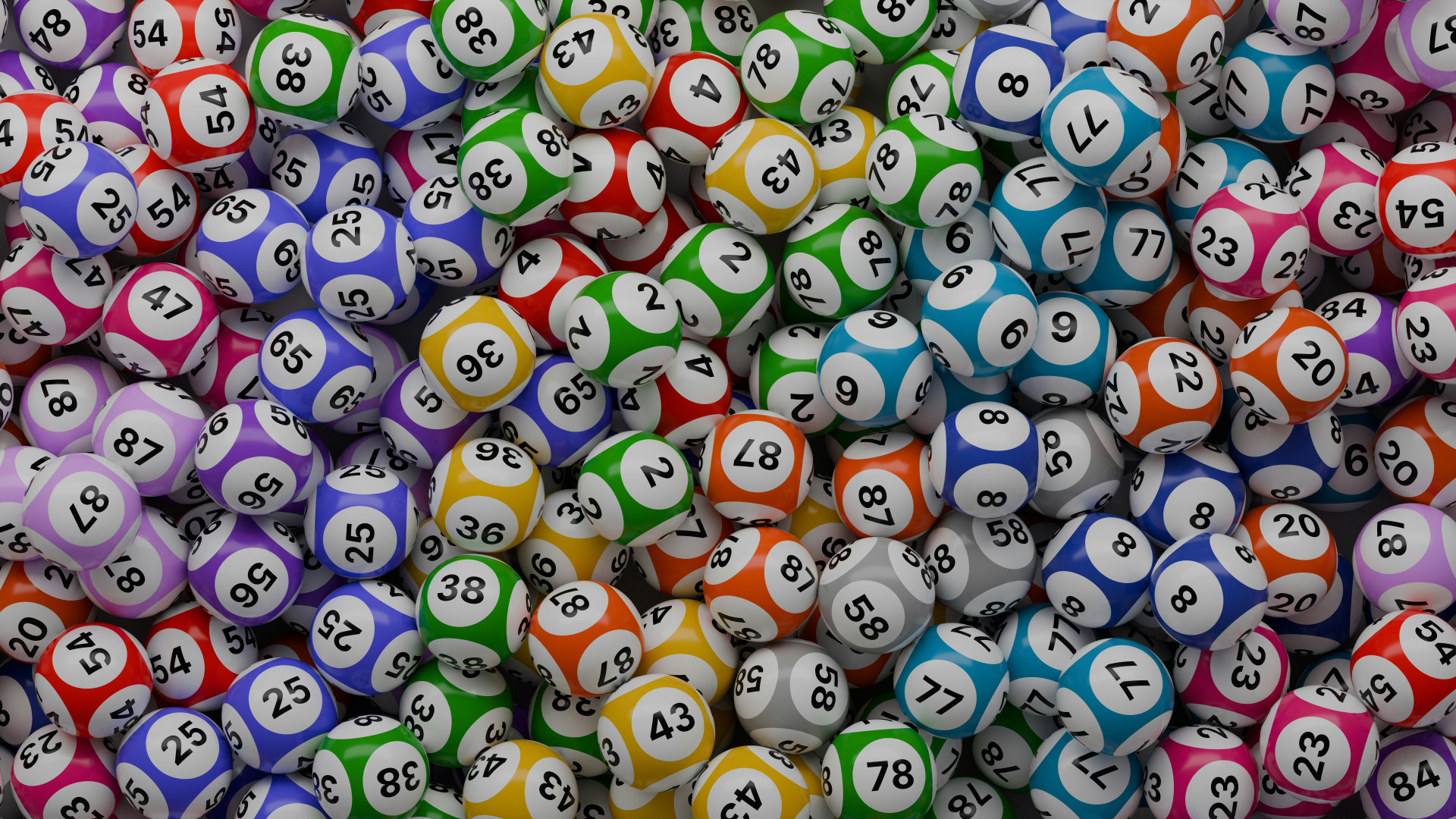
A major difference between lotteries and card games lies in whether events affect one another. In the lottery, each drawing is independent: what happened last week has no impact on what happens next. Yet many players fall for the “gambler’s fallacy”—the belief that a number that hasn’t been drawn in a while is “due.” In reality, every drawing starts fresh, and all combinations are equally likely.
In card games, however, probabilities change as cards are played. Once a card is dealt, it’s no longer in the deck, which alters the odds for the remaining cards. If you know what’s already been played, you can make more informed decisions. This dynamic element is what makes card games strategically engaging.
Læs også:
Why We Confuse Luck and Control
Humans are pattern-seeking creatures. We like to believe we can spot trends or “feel” when luck is about to turn. That’s why some lottery players swear by certain numbers or rituals. But in a random system like the lottery, these patterns are illusions—our brains trying to find order in chaos.
In card games, that sense of control is partly justified. Skill, observation, and experience genuinely make a difference. In the lottery, they don’t. Recognizing this distinction is essential for responsible play—and for understanding why the lottery is entertainment, not an investment.
Play for Fun, Not for Probability
Buying a lottery ticket can be exciting—it gives you a moment of hope and imagination. But it’s important to remember that the odds are astronomically against you. Card games, on the other hand, offer a social and intellectual challenge where you can actually improve with practice.
So the next time you play the lottery, do it for the thrill, not because you think you can beat the system. In the lottery, there’s no strategy—only chance.
Læs også: