Gaming as a Shared Experience: How to Keep It Positive and Balanced

Gaming as a Shared Experience: How to Keep It Positive and Balanced
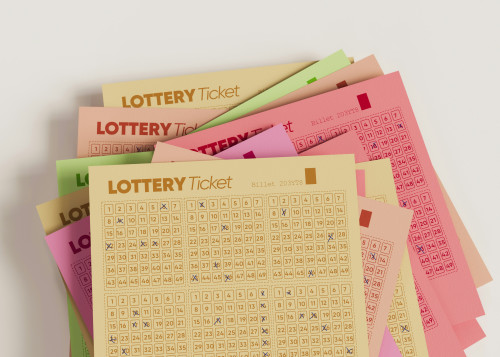
Playing together—whether it’s board games, card games, online gaming, or even the occasional lottery ticket—can be a fun and meaningful way to connect. Games bring excitement, laughter, and a sense of community, but they can also become challenging if the line between entertainment and overindulgence starts to blur. This article explores how to keep gaming a positive shared experience and maintain a healthy balance between fun and responsibility.
Gaming as a Social Connection
Games have always been part of how people bond. From family game nights to online multiplayer sessions that connect friends across states or even continents, gaming gives us a chance to share experiences, compete in good spirit, and create lasting memories.
When gaming is used as a social activity, it strengthens relationships. It can be a way to unwind after a long day, to laugh together, or to challenge each other in a friendly way. The key is to make gaming a shared space where everyone feels included, respected, and comfortable.
Know Your Purpose for Playing
People play for many reasons: for entertainment, for the thrill of competition, for the chance to win, or simply to spend time together. It helps to think about what motivates you or your group when you play.
- Is it about having fun together? Then make sure the rules and atmosphere support that goal.
- Is it about competition? Remember that it should still be enjoyable, even when you lose.
- Is it about the excitement of winning money or prizes? Set clear limits on what you’re willing to spend—and stick to them.
When you understand your purpose, it becomes easier to keep gaming a positive and balanced experience.
Læs også:

Set Boundaries—For Time and Money
Games can be immersive, especially when there’s a chance to win or level up. That’s why it’s important to set simple boundaries for yourself or your group:
- Decide how long you’ll play before starting.
- Set a spending limit if money is involved—and stop when you reach it.
- Take breaks to keep the experience fresh and enjoyable.
- Pay attention to how you feel while playing—if it starts to feel stressful or compulsive, it’s time to step away.
These small habits help you stay in control and keep gaming healthy and fun.
Talk Openly About Gaming
When gaming is a shared activity, open communication matters. If someone in your group gets frustrated, plays excessively, or seems to lose interest in other things, an honest conversation can make a big difference.
This also applies to online gaming or gambling. Share your experiences—both the good and the not-so-good—with friends or family. Talking about it helps build awareness and support, and it reminds everyone that gaming should enhance life, not take it over.
Make Gaming Part of a Balanced Lifestyle
Gaming can be a rewarding part of everyday life, but it shouldn’t be the only source of excitement or connection. Make sure it fits naturally among other activities—exercise, social events, hobbies, and relaxation.
When gaming is one of many enjoyable parts of your routine, it’s easier to keep it in perspective and maintain a healthy balance.
When Gaming Stops Feeling Fun
If you or someone you know starts to feel that gaming is taking up too much space—financially, mentally, or socially—it’s important to act. In the U.S., there are free and confidential resources available, such as the National Problem Gambling Helpline (1-800-GAMBLER) and online support communities. Reaching out for help isn’t a sign of weakness—it’s a step toward regaining balance and well-being.
Gaming Should Be Fun—Not Stressful
Gaming can bring people together, spark laughter, and create moments of joy. But it takes awareness and intention to keep it positive. When you play mindfully, set boundaries, and remember that it’s about connection rather than competition or profit, gaming becomes what it’s meant to be—a source of happiness, not stress.
Læs også: