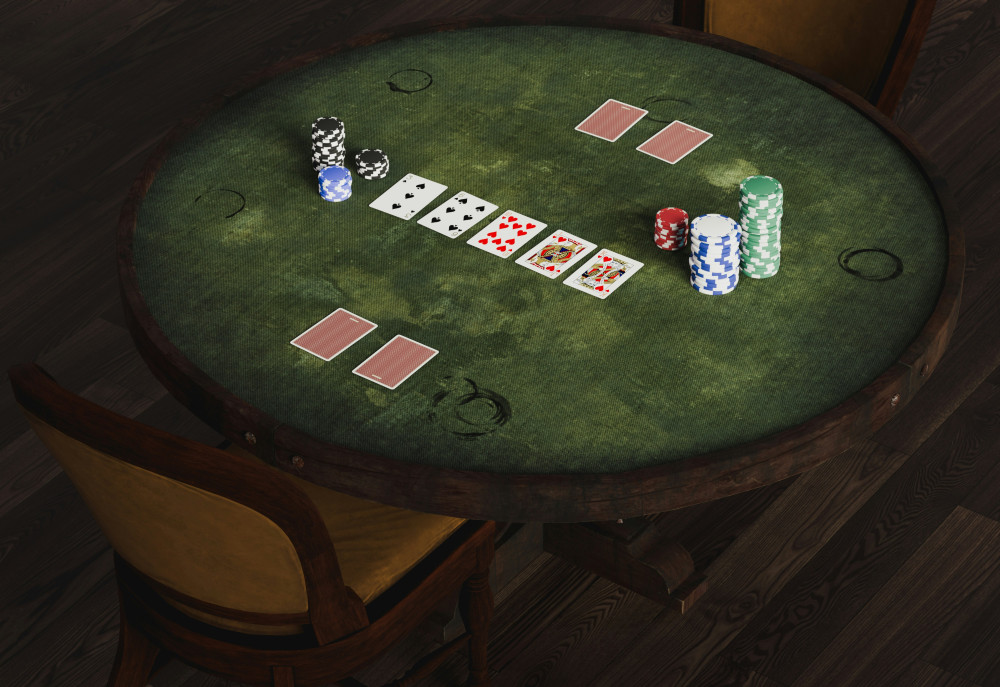
When You Play Against Others – How to Adjust Your Strategy

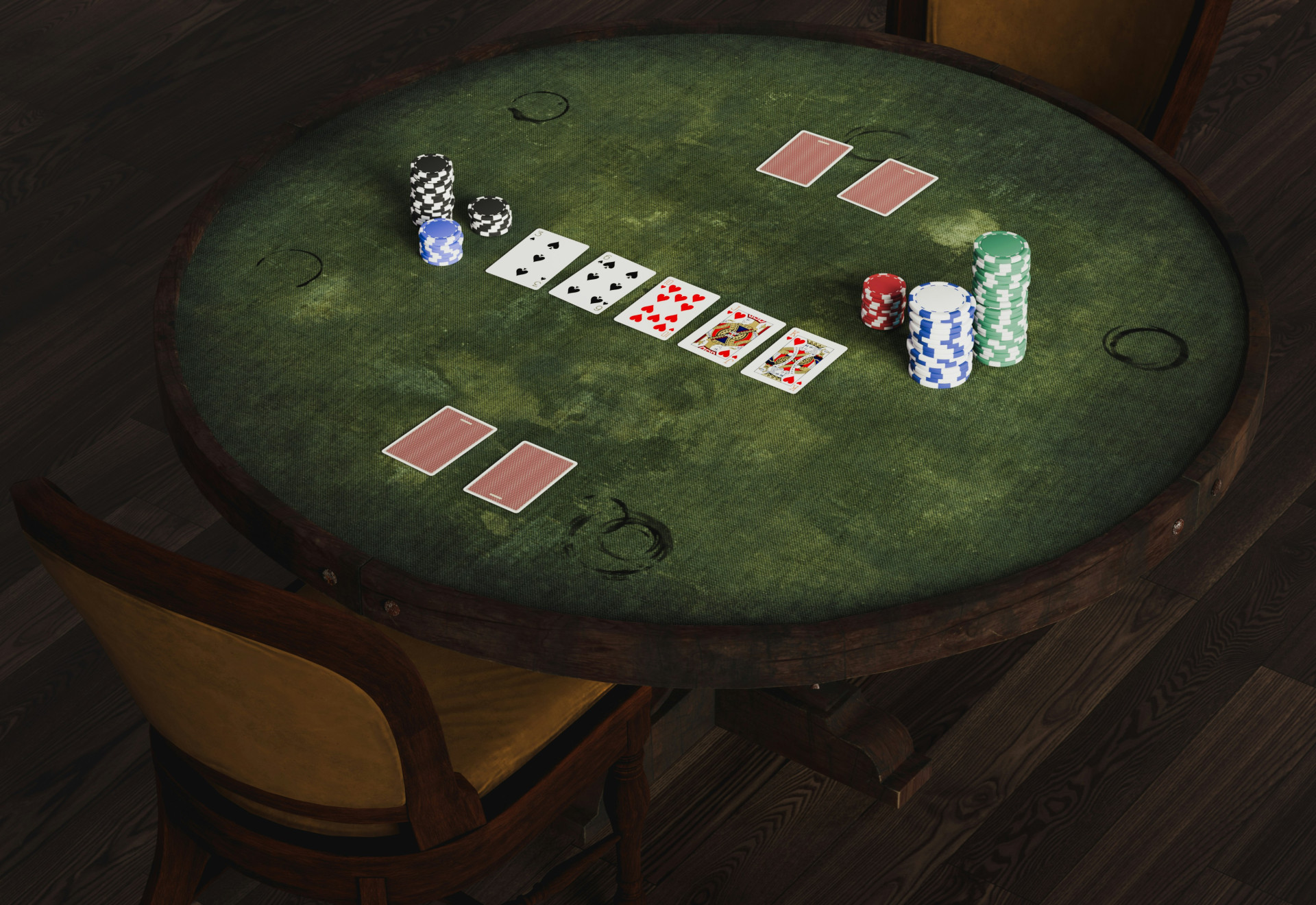
When You Play Against Others – How to Adjust Your Strategy
Playing against other people—whether it’s poker, fantasy football, online strategy games, or a weekend board game with friends—requires a completely different mindset than playing against a computer. When real opponents enter the picture, unpredictability and psychology become just as important as skill. Here’s a guide to help you adjust your strategy when facing human opponents and to better understand both the game and the people you’re playing with.
Know the Difference Between Playing the Computer and Playing People
When you play against a computer, outcomes are determined by algorithms and probability. The system follows the rules perfectly, and there are no emotions involved. But when you play against people, everything changes. Humans react to pressure, excitement, and frustration—and that’s what makes the game dynamic and challenging.
Recognizing this difference is the first step toward improving your performance. It’s not just about knowing the rules; it’s about understanding how people think, bluff, and make decisions under stress.
Læs også:



Read Your Opponents—and Yourself
One of the most valuable skills in competitive play is the ability to read others. This applies whether you’re sitting across a poker table or playing an online match.
- Watch for patterns: Notice how your opponents behave. Are they cautious or aggressive? Do they change their approach after losing a round?
- Pay attention to timing: Some players act quickly when confident and hesitate when uncertain. These small cues can reveal a lot.
- Be aware of your own habits: Just as you study others, they’re studying you. If you become predictable, you’ll be easier to beat. Mix up your style to keep opponents guessing.
Reading others—and yourself—is a skill that takes time to develop, but it’s often what separates good players from great ones.
Adapt Your Strategy to the Situation
There’s no single strategy that works against everyone. What succeeds against a bold, risk-taking player might fail against someone who’s patient and analytical. The key is flexibility.
- Against aggressive players: Stay calm and play defensively. Let them take the big risks, and capitalize on their mistakes.
- Against cautious players: Take control of the pace. Apply pressure with confident moves and force them into uncomfortable decisions.
- Against unpredictable players: Stick to your plan. Don’t get drawn into their chaos—discipline and focus will give you the edge.
Being able to shift your strategy mid-game shows maturity as a player. It means you’re not just reacting—you’re thinking ahead.
Use Psychology as a Tool
When you play against others, psychology becomes one of your strongest assets. It’s not about manipulation; it’s about understanding how emotions influence decisions.
Many players become overconfident after a win or overly cautious after a loss. If you can stay composed while others lose focus, you gain a major advantage. Learn to recognize signs of frustration, overconfidence, or anxiety—in both yourself and your opponents. The more rational you remain, the better your decisions will be.
Know Your Limits
Competition can get intense, especially when money, pride, or bragging rights are on the line. It’s easy to get caught up in the moment. That’s why it’s important to set boundaries.
Decide in advance how much time or money you’re willing to invest, and take breaks when you feel your concentration slipping. Great players know when to step back—and that self-control often determines long-term success.
Learn From Every Game
After each session, take a few minutes to reflect. What worked? What didn’t? Which types of opponents gave you trouble, and how did you respond under pressure? Over time, you’ll start to see patterns in your own play—and that awareness is what helps you grow.
Playing against others isn’t just about winning. It’s about learning—about the game, about strategy, and about yourself. The more you understand the balance between skill, psychology, and discipline, the stronger and more adaptable you’ll become as a player.
Læs også: