Choose Games That Build Your Skills: Strategy as Learning


Choose Games That Build Your Skills: Strategy as Learning
Games are more than entertainment—they can be powerful tools for sharpening your mind. Strategy-based games challenge your ability to plan, analyze, and make decisions under pressure. Whether you enjoy classic board games, video games, or even online casino games, you can develop skills that extend far beyond the game itself. Let’s explore how to choose games that are both fun and educational.
Strategy as Mental Training
When you play a strategy game, you’re training your brain to think several steps ahead. You learn to assess risks, anticipate opponents’ moves, and adapt to changing situations. These are the same skills that come in handy in everyday life—from managing finances to collaborating at work.
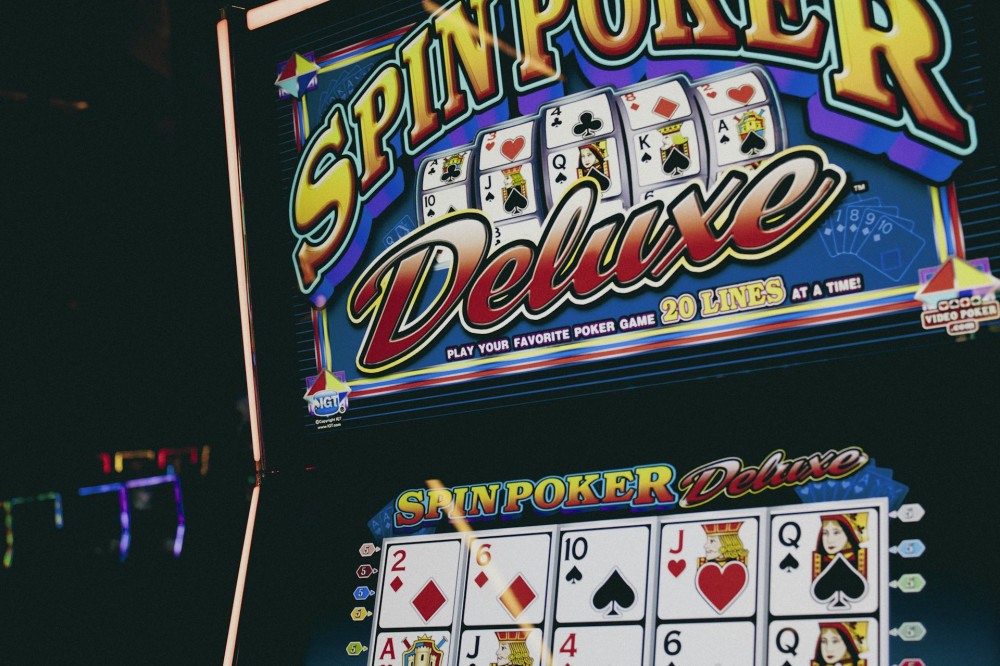
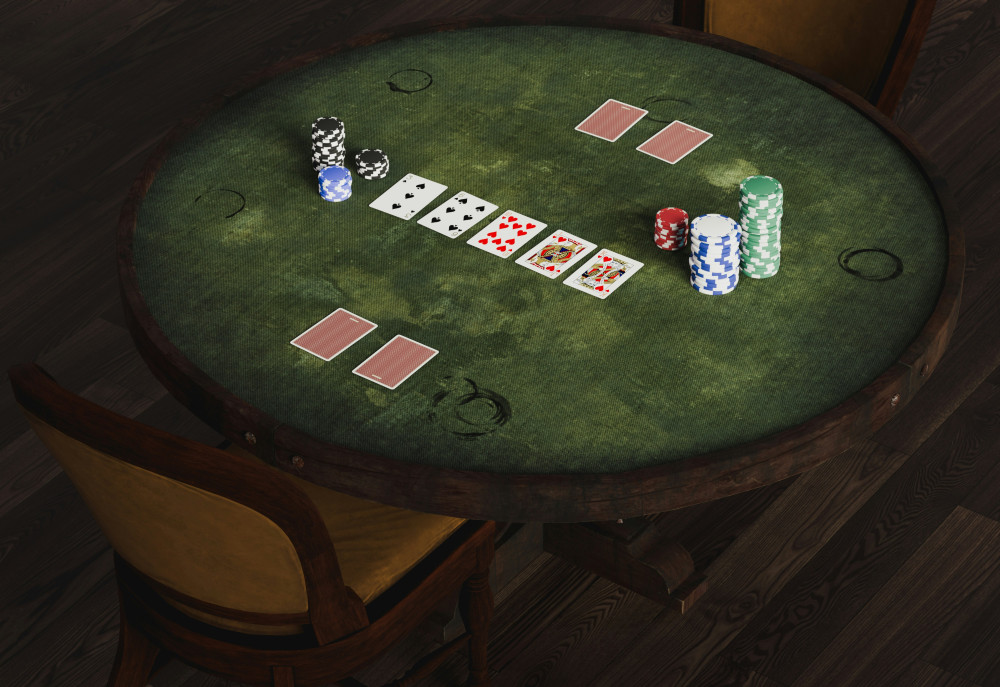
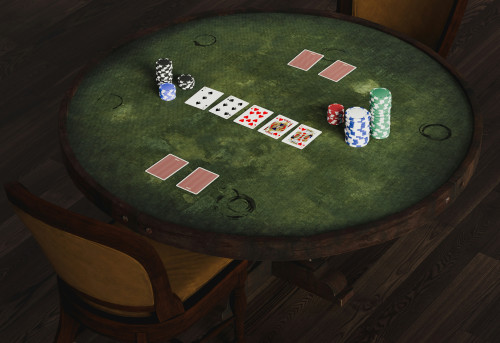
Games like chess, poker, and strategy-based video games require focus, logic, and patience. They strengthen your concentration and your ability to analyze complex patterns. Even short gaming sessions can provide a mental reset while improving your decision-making skills.
Læs også:


Choose Games That Match Your Learning Goals
Not all games build the same abilities. If you want to use games as a learning tool, it helps to choose based on what you want to improve:
- Tactical thinking: Games like chess, Go, or strategic card games teach you to plan ahead and anticipate consequences.
- Risk management: Poker and certain casino-style games can help you understand probabilities and when it’s smart to take a chance.
- Teamwork and communication: Cooperative games—both online and offline—train your ability to coordinate and communicate effectively.
- Creative problem-solving: Simulation or building games encourage experimentation and innovation as you find new ways to succeed.
By choosing games that align with your interests and goals, you make learning more engaging and rewarding.
From Game to Real Life – Transferable Skills
The lessons you learn in games often translate to real-world situations. A skilled poker player, for example, learns to read people’s cues and stay calm under pressure—valuable traits in negotiations or leadership. Chess players develop strategic thinking and the ability to see the big picture, while gamers who play cooperative titles often become better at teamwork and quick decision-making.
Even in games of chance, discipline and self-control are key. Knowing your limits, setting realistic goals, and sticking to a strategy are essential skills—both in gaming and in life.
Learning Through Play – Not Just for Kids
Many people associate learning through play with children, but adults can benefit just as much. Games create a safe space to experiment, make mistakes, and learn without serious consequences. This freedom encourages new ways of thinking and problem-solving.
If you play online, you can also combine learning with social interaction. Many platforms let you play with friends or join tournaments, where you can test your skills against others and learn from their strategies.
How to Get the Most Out of Your Games
To make the most of strategy games, keep a few simple tips in mind:
- Set a purpose: Decide what you want to practice—logic, patience, teamwork, or risk assessment.
- Reflect after playing: Think about what went well and what you could do differently next time.
- Mix it up: Try different types of games to challenge your brain in new ways.
- Keep it fun: Learning happens best when you’re engaged and enjoying yourself.
When you play with awareness and intention, gaming becomes more than a pastime—it becomes an investment in your personal growth.
Strategy as a Life Skill
Strategic thinking is ultimately about understanding connections, planning ahead, and acting with purpose. Games offer a playful way to develop exactly those abilities. Whether you’re sitting down with a board game, diving into an online strategy game, or testing your luck at a casino, you can use the experience to strengthen your ability to analyze, decide, and act wisely.
So next time you play, think of it as more than entertainment—it’s also a chance to become sharper, calmer, and more strategic in everyday life.
Læs også: