When the Game Pulls You In: How Design Affects Your Ability to Stop in Time

When the Game Pulls You In: How Design Affects Your Ability to Stop in Time
When you open a mobile game, an online casino app, or a console title, the way it feels isn’t random. The colors, sounds, reward systems, and pacing are all carefully crafted to keep you engaged—and to make you play just a little longer than you planned. Game design isn’t only about fun; it’s also about psychology. Let’s take a closer look at how games are built to draw you in—and what you can do to stay in control.
The Invisible Grip of the Game
Most modern games are designed with one main goal: to keep players hooked. They do this through a mix of rewards, challenges, and small victories that trigger dopamine in the brain—the same chemical that lights up when we experience pleasure or anticipation.
Each time you unlock a new level, earn a bonus, or win a round, you get a small “kick.” It feels good, and your brain quickly learns that continuing to play might bring another hit of that feeling. That’s why it can be so hard to stop—especially when the game keeps promising that the next win or achievement is just around the corner.
Læs også:



Designed to Feel Random—but It’s Not
One of the most powerful tools in game design is what researchers call variable rewards. This means you never know exactly when you’ll get a prize. Sometimes you win quickly; other times, it takes many tries. That unpredictability makes the experience more exciting—and it’s exactly what keeps you coming back.
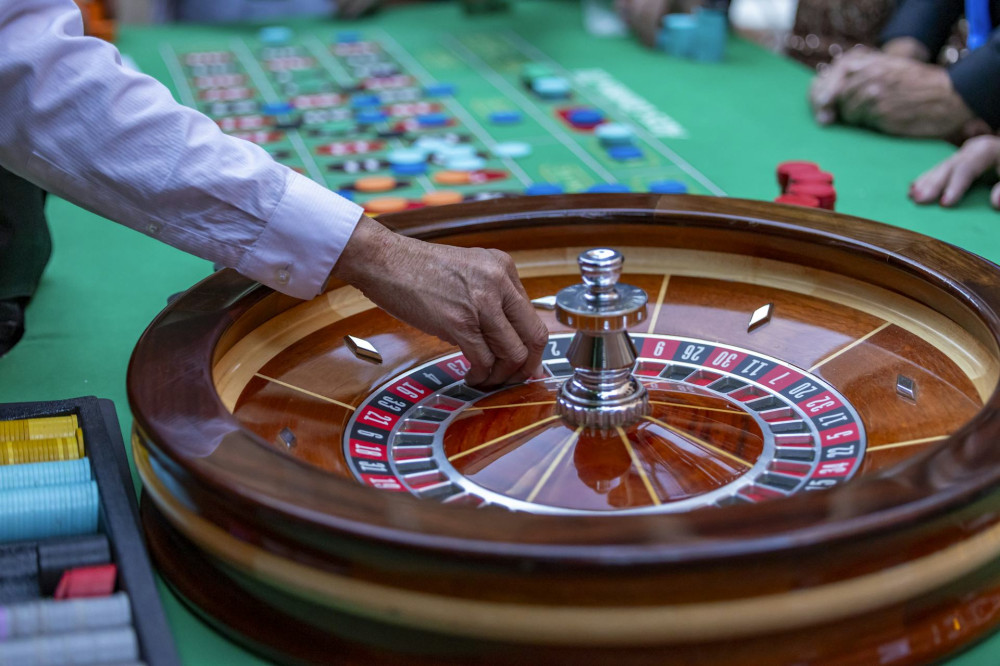
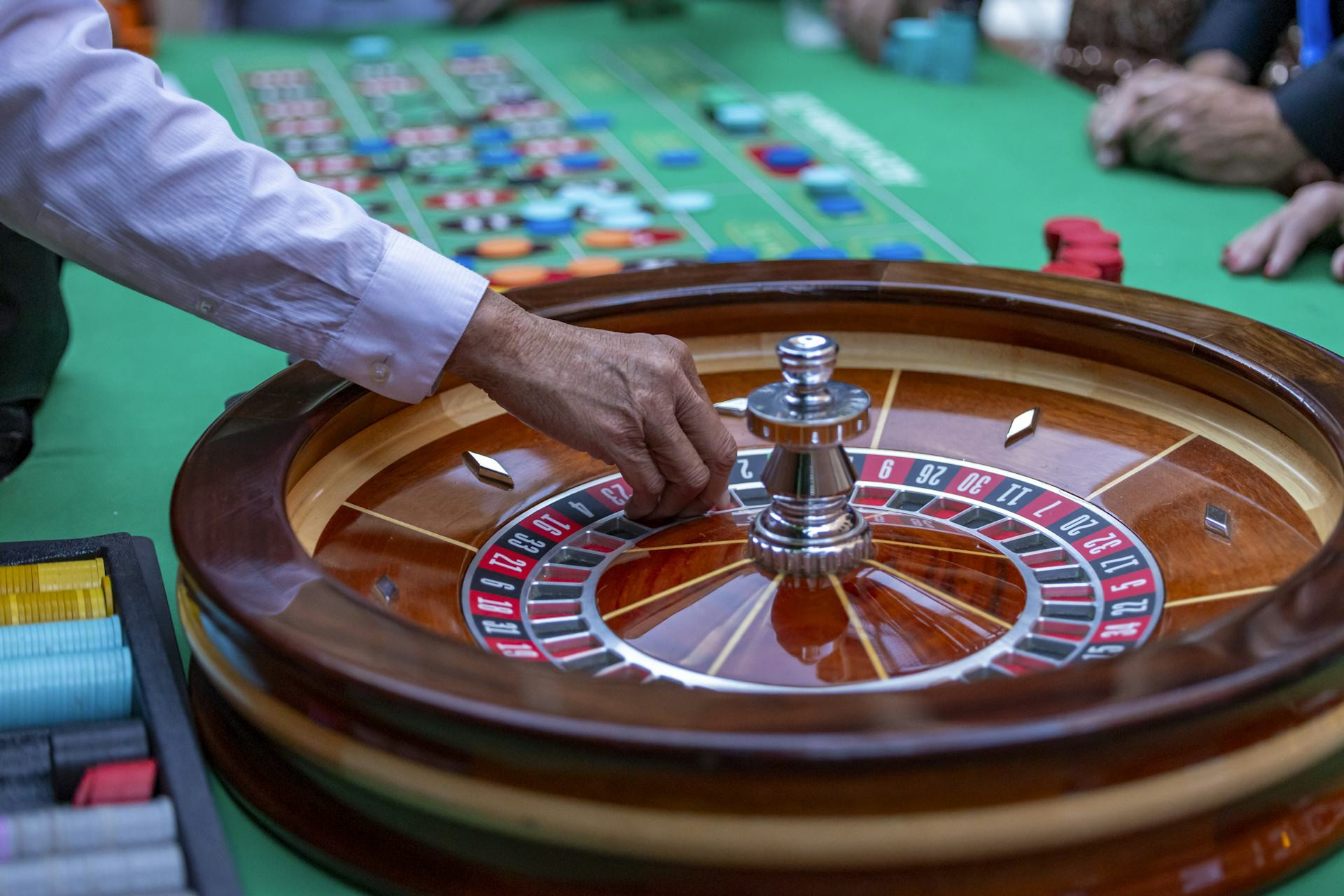
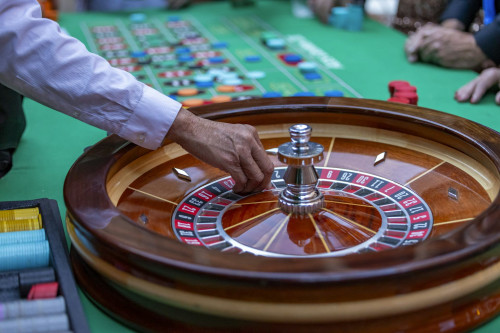
The same principle is used in social media feeds and many mobile games, where you “pull” or “swipe” to see what comes next. It’s similar to the mechanics of slot machines, where every spin could be the one that changes everything. The brain loves that kind of suspense, but it can also make you lose track of time.
Colors, Sounds, and Speed—How the Senses Are Used
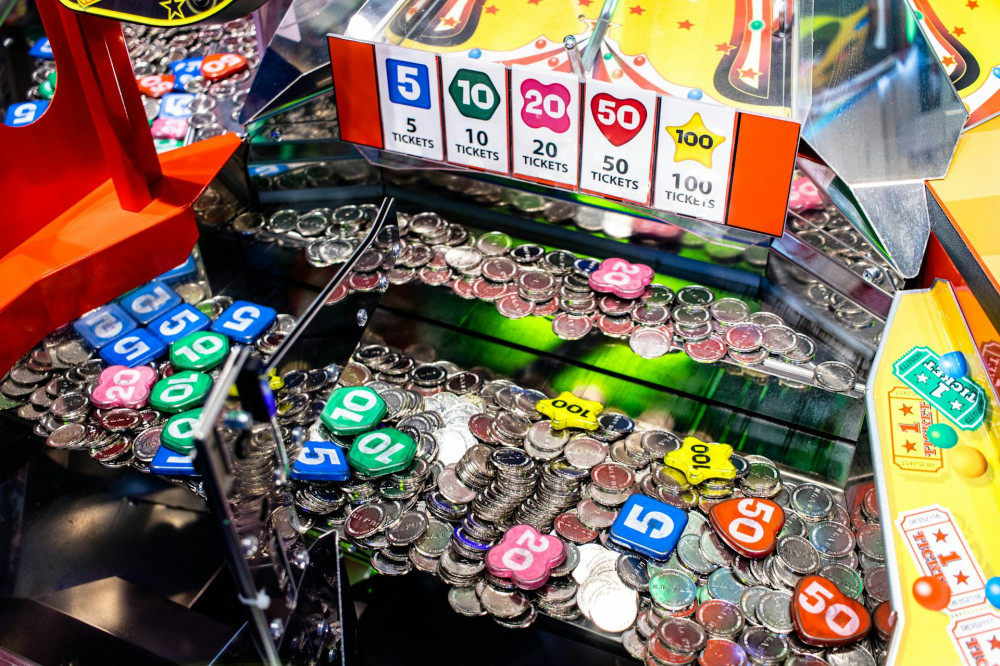
Game developers know that sensory cues shape our behavior. Fast animations, flashing lights, and triumphant sounds create a sense of progress and success. Even small details—like a button that glows when you’re close to winning—can nudge you to keep playing.
Pacing matters, too. Many games are designed with almost no downtime between rounds. You don’t get a moment to reflect on whether you actually want to continue. That lack of pause makes it harder to make conscious choices and easier to slip into a rhythm where you just keep going.
When Play Becomes a Habit
For most people, gaming is a fun and harmless pastime. But for some, it can slowly turn into a habit that takes up too much time or money. It often happens gradually—you play a little longer, spend a little more, and before you know it, stopping feels difficult.
Research shows that games combining quick rewards with social features—like leaderboards or daily challenges—carry the highest risk of creating compulsive behavior. They tap into both our competitive drive and our need for recognition, making them especially hard to put down.
How to Stay in Control
Understanding how games are designed is the first step toward playing responsibly. Here are a few simple ways to keep your balance:
- Set time limits – Use an alarm or built-in tools to remind yourself to take breaks.
- Make a budget – If you play games that involve money, decide in advance how much you’re willing to spend.
- Watch your habits – Notice when and why you play. Is it for fun—or to escape something?
- Take breaks – Games are more enjoyable when you step away from them now and then.
- Talk about it – If gaming starts to feel overwhelming, share your experience with a friend or seek professional advice.
Games Should Be Fun—Not in Control
Games can be a wonderful source of entertainment, community, and challenge. But when design becomes so effective that it starts to steer our behavior, it’s important to understand the mechanisms behind it. By recognizing how games pull us in, we can also learn how to step back—before it’s too late.
Playing responsibly isn’t about avoiding games altogether. It’s about keeping the freedom to choose when to play—and when to stop.
Læs også: