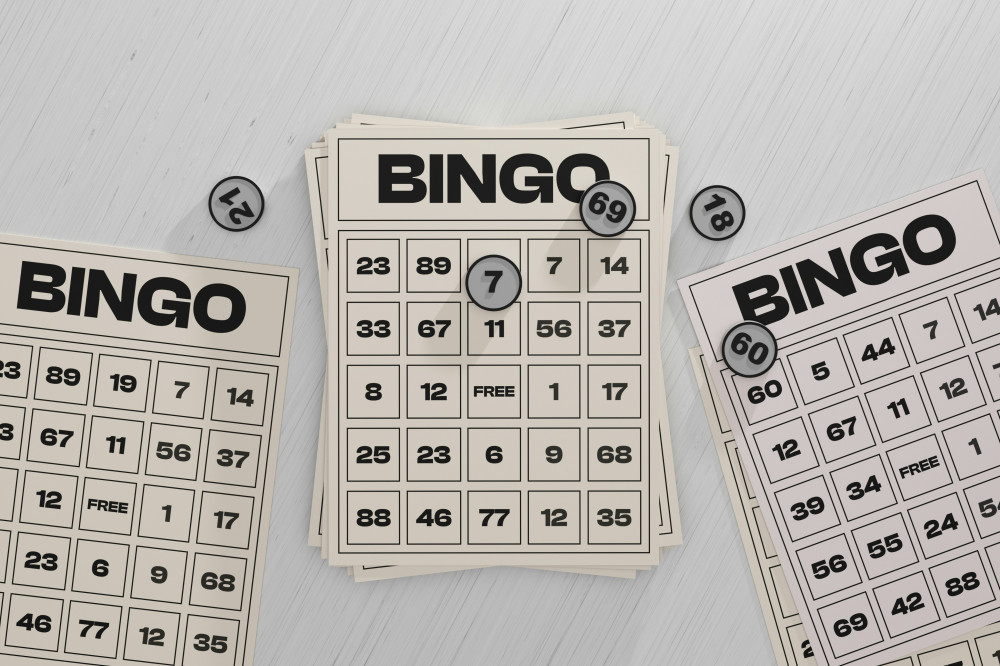
Artificial Intelligence in Bingo Apps: How Technology Makes the Game More User-Friendly

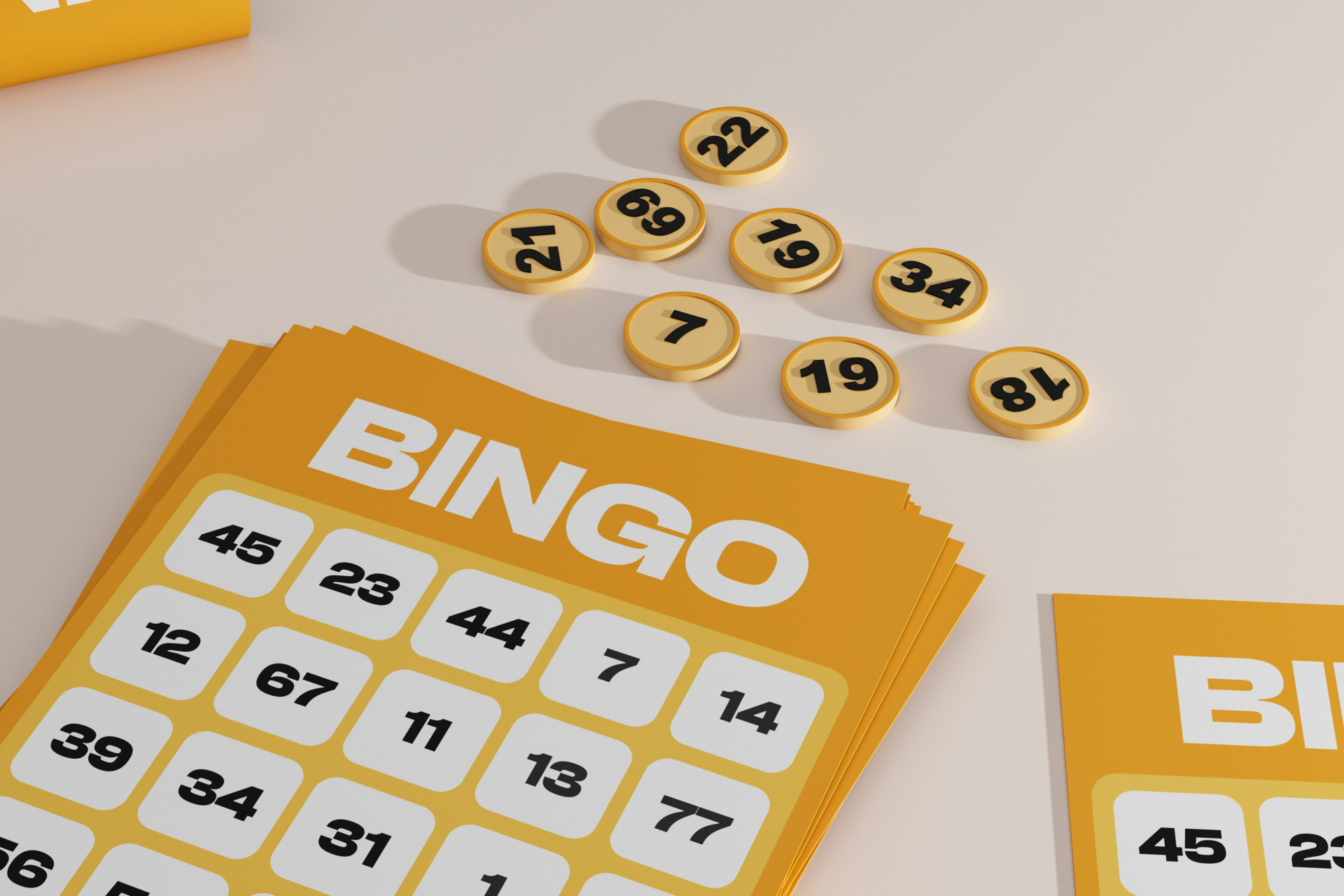
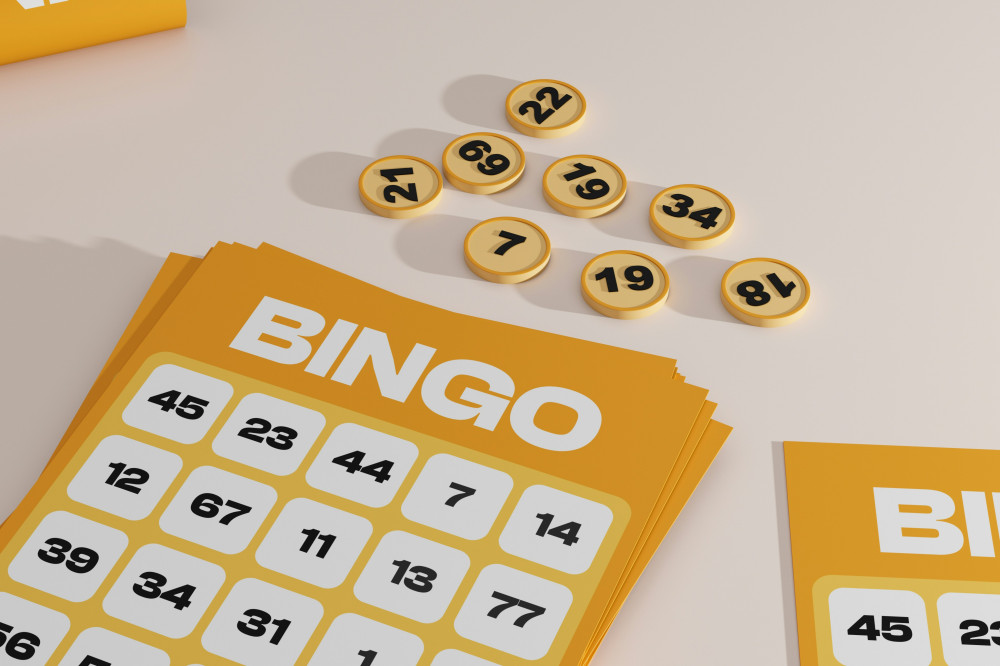
Artificial Intelligence in Bingo Apps: How Technology Makes the Game More User-Friendly
For generations, bingo has been a beloved pastime that brings people together through excitement, luck, and community. But as the game has moved from community halls to smartphones, technology has transformed how we play. Today, artificial intelligence (AI) has become a key part of many bingo apps—not to take away the fun or tradition, but to make the experience more user-friendly, accessible, and engaging.
From Paper Cards to Personalized Play
In the past, bingo was all about keeping track of numbers and shouting “Bingo!” at just the right moment. In digital versions, AI helps players get the most out of the experience. By analyzing player behavior and preferences, AI can tailor the game to each individual. That means the app can suggest game types, themes, or difficulty levels that match a player’s style.
For newcomers, AI can act as a friendly guide—explaining the rules, reminding them of upcoming rounds, and even suggesting when it might be time for a break. For experienced players, the technology can introduce variety and challenge, ensuring the game never feels repetitive.
Smarter Play Without Losing the Social Element
One of the biggest challenges of moving bingo online has been preserving its social nature. Here, AI plays an important role. By analyzing player interactions, AI systems can match users with similar interests or playing habits, helping them find a sense of community—even in a digital space.
Some apps even use AI to moderate chat rooms and maintain a positive tone among players. This creates a safe and welcoming environment where everyone can participate, regardless of age or experience. In this way, technology doesn’t replace the social aspect of bingo—it enhances it.
Accessibility for Everyone
AI also makes bingo more inclusive. For players with visual or hearing impairments, features like voice control, automatic number reading, and visual highlights can make a big difference. The system can adapt to each player’s needs, ensuring that no one is left out.
In addition, AI can help identify when a player might be showing signs of fatigue or excessive play. Some apps use algorithms to detect unusual gaming patterns and suggest breaks or time limits. This is an example of how technology can be used responsibly—for the benefit of both players and the community.
Læs også:


The Future of Bingo: More Than Just Luck
Artificial intelligence doesn’t change the heart of bingo—the thrill of completing a line and the joy of playing with others. But it does make the experience smoother, more personal, and more accessible. In the future, we can expect even more advanced features, such as virtual hosts that learn players’ preferences or dynamic game modes that adjust in real time.
For many Americans, it’s this blend of tradition and technology that makes modern bingo so appealing. AI isn’t a replacement for human connection—it’s a tool that helps everyone enjoy the game more, whether they play for fun, for friendship, or for the excitement of the win.
Læs også: